2026-05-05 ペンシルベニア州立大学(Penn State)
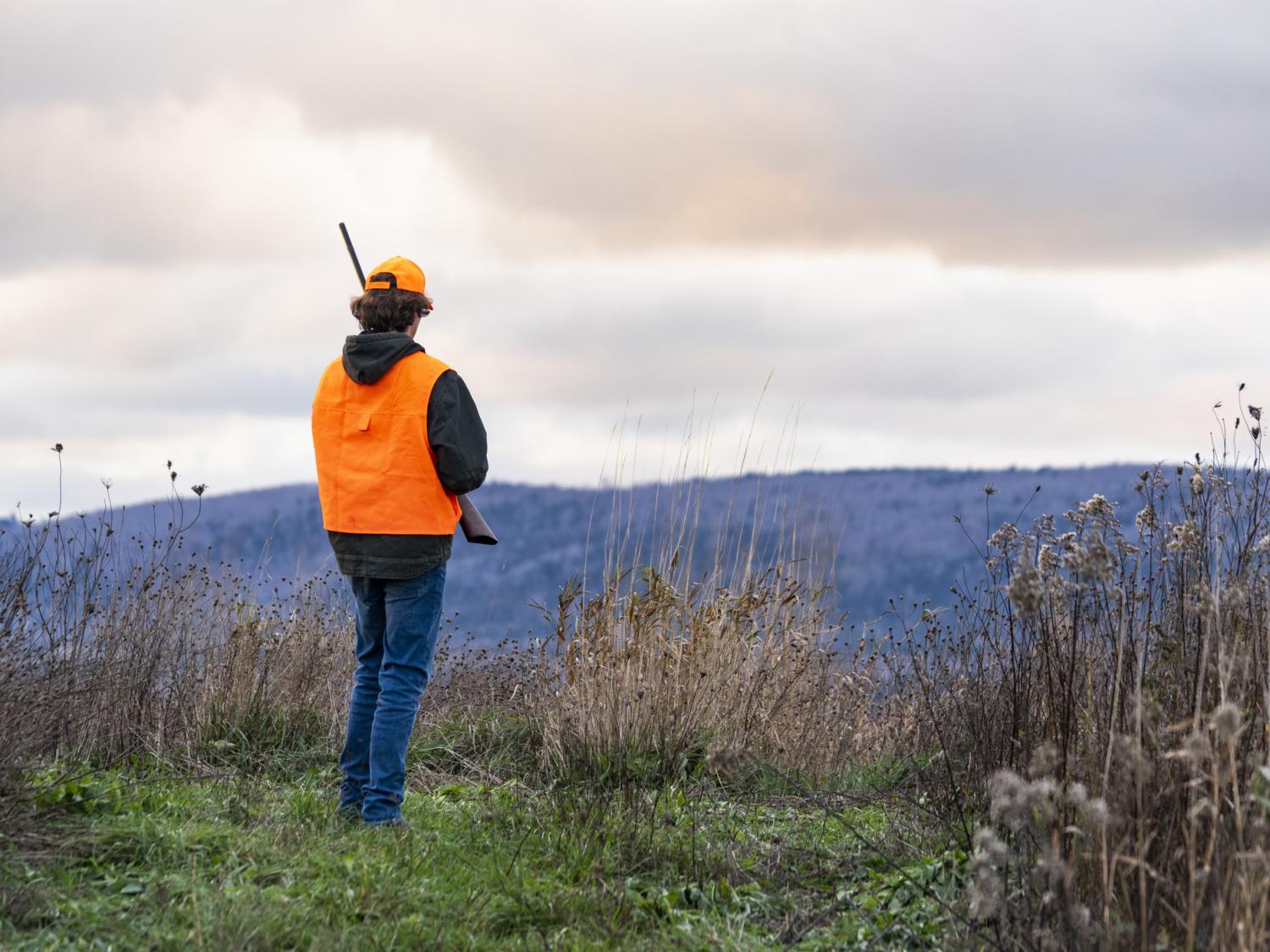
To learn hunter sentiments about participating in the Pennsylvania Game Commission’s Deer Management Assistance Program (DMAP), the team surveyed 2,127 hunters who bought DMAP permits in Pennsylvania state forests in 2021. Credit: Fertnig/Getty Images. All Rights Reserved.
<関連情報>
- https://www.psu.edu/news/research/story/hunters-appreciation-targeted-deer-management-program-transcends-harvest-0
- https://www.sciencedirect.com/science/article/abs/pii/S1389934126000341
米国ペンシルベニア州の特別管理区域におけるレクリエーション目的の鹿狩りに関するハンターの嗜好と価値観 Hunter preferences and values for recreational deer hunting in special management zones in Pennsylvania, USA
Arun Regmi, Melissa M. Kreye, Duane R. Diefenbach, Jesse K. Kreye
Forest Policy and Economics Available online: 4 February 2026
DOI:https://doi.org/10.1016/j.forpol.2026.103729
Highlights
- Embedded individual travel costs directly into the choice model to evaluate hunter values and preferences.
- An average consumer surplus of $87 per hunting trip, with variation by site and trip duration.
- Hunters prefer sites with fewer permits, higher deer density, and lower hunter crowding.
- Travel costs have minimal influence on future participation in deer hunting compared to satisfaction and place-based values.
Abstract
Deer abundance negatively impacts forest ecosystems, particularly forest regeneration dynamics via excessive browsing, potentially altering stand structure, species composition, and species richness. In the United States, controlling white-tailed deer (Odocoileus virginianus) populations has been a challenge for managers. To facilitate localized population control and sustain forest health, the Pennsylvania Game Commission implemented the Deer Management Assistance Program (DMAP) that provides landowners with permits for hunters to harvest antlerless deer on enrolled lands in addition to wildlife management unit (WMU) antlerless licenses. We surveyed 2127 DMAP hunters across three state forests in central and northcentral Pennsylvania in 2021, to evaluate economic value of deer hunting, hunter preferences, and intentions to participate in future antlerless deer hunting under changing hunting conditions. Integrating revealed and stated preference methods, we utilized individual travel costs derived from the travel cost method (TCM) as a cost attribute within a choice experiment (CE) model to quantify trade-offs in decision-making. The TCM results reveal that hunters generated $87 per trip in consumer surplus from hunting in DMAP areas, varying by sites, trip frequencies and durations. The CE results reveal that hunters expressed greater preferences for sites with fewer permits available, higher deer density, and fewer other hunters. Findings reveal that continued hunter participation is influenced less by maximizing harvest opportunity and more by experiences that fit hunters’ intrinsic motivations and place attachment. Findings can inform policy adjustments to DMAP that better reflect hunter preferences that help enhance participation and program effectiveness for localized deer density management.