

2026-11-17 ジョンズ・ホプキンス大学(JHU)
<関連情報>
- https://hub.jhu.edu/2026/11/17/transformer-shortages-loom-for-strained-us-power-grid/
- https://www.cell.com/cell-reports-sustainability/fulltext/S2949-7906(26)00292-2
電力系統を支える機器のサプライチェーンが、電力システム拡張の実現可能な速度を制約する
Grid-supporting equipment supply chains constrain the feasible pace of power system expansion
Boyu Yao, Yury Dvorkin. “Grid-supporting equipment supply chains constrain the feasible pace of power system expansion.” Cell Reports Sustainability, Article 100923, Published online 17 November 2026.
DOI: https://doi.org/10.1016/j.crsus.2026.100923

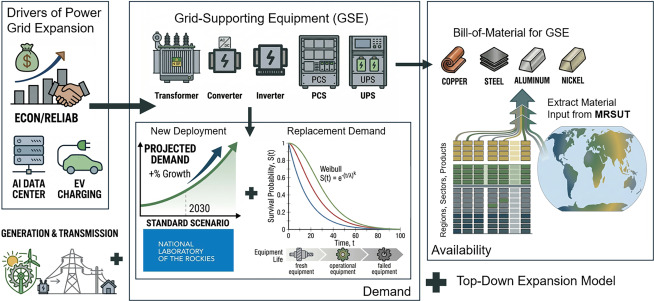
Figure 1 Conceptual framework of the study
出典:Yao, B. and Dvorkin, Y., “Grid-supporting equipment supply chains constrain the feasible pace of power system expansion,” Cell Reports Sustainability (2026), DOI: 10.1016/j.crsus.2026.100923. Licensed under CC BY 4.0.
AIデータセンターや電気自動車、再生可能エネルギー、蓄電システムの普及によって電力需要が増加するなか、変圧器やインバーターなどの系統支援機器(GSE)の供給網が、電力システム拡張の制約となる可能性が示された。研究チームは、機器の新規導入と既存設備の交換需要を考慮した動的なストック・フローモデルに、機器ごとの材料構成、国際的なサプライチェーン、地域別の調達構造を組み合わせた分析手法を開発した。米国を対象としたシミュレーションでは、高成長シナリオにおいて銅が2027年に最初の制約材料となり、2030年にはGSEの未充足需要が269.6~274.1 GVA(28.5~28.6%)に達すると推定された。さらに、貿易の混乱によって未充足需要は342.6 GVAに拡大する一方、動的変圧器定格(DTR)の導入により193.9 GVAに抑制できる可能性が示された。銅の供給制約を緩和しても、鉄鋼やニッケルが次の制約材料となる可能性があり、単一材料への対策だけでは十分でないことも明らかになった。本研究は、電力インフラの拡張計画において、発電・送電設備だけでなく、それらを支える機器の製造能力、原材料調達、交換需要、国際供給網の強靱性を一体的に評価する必要性を示している。なお、数値は米国を対象とした特定の材料供給・需要シナリオに基づくモデル推定であり、将来の不足量を確定的に予測したものではない。貼り付けたテキスト(1)(4).txt
This study examines how supply chains for grid-supporting equipment (GSE) could constrain the pace of power system expansion amid growing electricity demand from AI data centers, electric vehicles, renewable energy, and energy storage. The researchers developed an integrated framework combining dynamic stock-and-flow modeling, equipment-level bills of materials, multi-regional supply-use analysis, and GSE deployment modeling. The framework accounts for both new equipment deployment and replacement of aging assets, while tracing the material requirements and regional sourcing dependencies of transformers, inverters, converters, power conversion systems, and uninterruptible power supplies. In a US case study, copper becomes the first binding material in 2027. Under high-growth scenarios, modeled unmet GSE demand reaches 269.6–274.1 GVA (28.5%–28.6%) by 2030. Trade disruptions increase the shortfall to 342.6 GVA, whereas dynamic transformer rating reduces it to 193.9 GVA. The analysis also shows that increasing copper availability can shift the limiting constraint toward steel, demonstrating the interconnected nature of material bottlenecks. The findings highlight the need to incorporate equipment availability, replacement requirements, manufacturing capacity, and upstream material supply chains into power system planning. The numerical results are conditional scenario-based estimates rather than definitive forecasts of future shortages.

