2026-04-27 インペリアル・カレッジ・ロンドン(ICL)
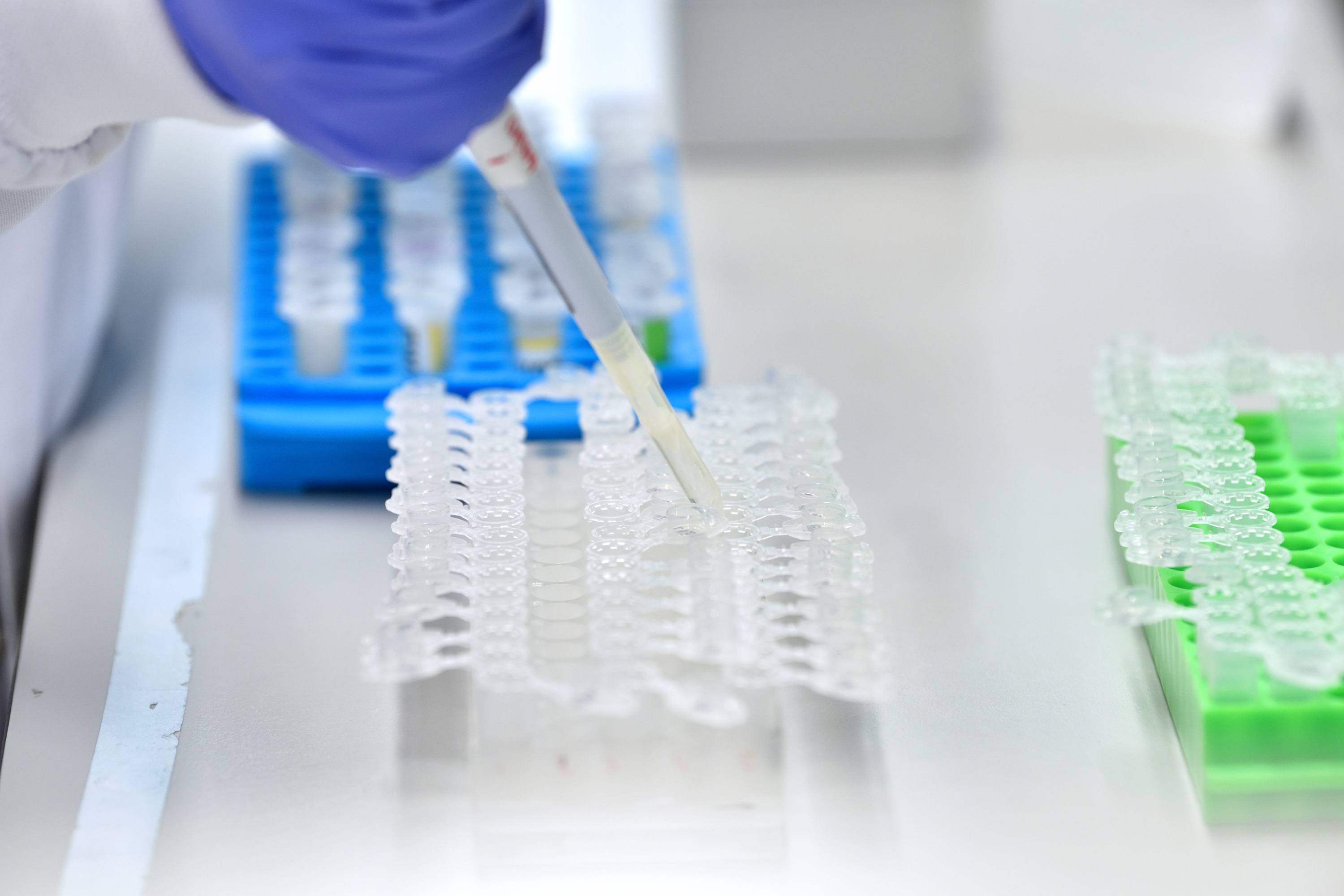
Water samples were tested for known chemical signatures for 20 substances to piece together a detailed picture of drug use in England over time. Samples were analysed by liquid chromatography-mass spectrometry. (Credit: Imperial College London / Jo Mieszkowski)
<関連情報>
- https://www.imperial.ac.uk/news/articles/2026/detailed-wastewater-study-shows-how-illicit-drug-use-changes-due-to-major-public-events-and-police-seizures-in-england/
- https://onlinelibrary.wiley.com/doi/10.1111/add.70398
廃水分析によるイングランド全土における違法薬物消費の高時間分解能モニタリング High temporal resolution monitoring of illicit drug consumption across England via wastewater analysis
Helena Rapp-Wright, Keng Tiong Ng, Derryn Grant, William Francis, Margarita White, Dimitris Evangelopoulos, Yuxing Liu, Konstantina Dimakopoulou, …
Addiction Published:published: 26 April 2026
DOI:https://doi.org/10.1111/add.70398
Abstract
Aim
To monitor community-level consumption of 20 illicit drugs across urban areas of England using wastewater-based epidemiology (WBE) surveillance at high temporal resolution.
Design, setting, cases
This study was conducted over a 12-month period in 2022 sampling 24-hour composite wastewater samples at 15 wastewater treatment plants (WWTPs) covering catchment population equivalents ranging from ~100 000 to >1 million. Analysis was conducted using rapid liquid chromatography–tandem mass spectrometry methods. The sampled WWTPs collectively covered 21% of the national population.
Measurements
Primary data outcomes were the population-normalised daily loads (PNLs) entering the WWTP, estimated population-normalised consumption (both in mg/1000 people/day) and total mass (g/day) of 20 targeted illicit drugs and total mass in each catchment, quantified using suitable drug target residue markers in 1746 wastewater samples. Covariables included temporal indicators (e.g. public holidays, events) and regional factors. Presence, quantity and correlation of WBE-derived drug use data were used to infer drug use patterns.
Findings
Of the 20 illicit drugs investigated, 18 were detected in at least one sample. Cocaine exhibited the highest average daily PNL (2770 ± 829 mg/1000 people/day), followed by heroin (382 ± 248), ketamine (287 ± 183), amphetamine (272 ± 268), 3,4-methylenedioxymethamphetamine (MDMA) (80 ± 57) and methamphetamine (60 ± 99) across 2022. When comparing PNLs to Sewage analysis CORe group—Europe (SCORE) and European Drugs Agency WBE data for 109 other WWTPs across Europe from March to May, 2022 cocaine and ketamine PNLs from sites in England were ranked statistically higher [cocaine: Wilcoxon rank-sum test statistic (W) = 971, adjusted P = 0.000115; ketamine: W = 264, adjusted P = 0.0000389]. Importantly, seven English WWTPs recorded higher mean ketamine PNLs than any other European site over the same period in 2022. Temporal spikes in drug consumption aligned with public holidays and major events. A notable decrease in cocaine use coincided with a 3.7-t UK seizure. Strong inter-drug correlations were observed across catchments, particularly for benzoylecgonine/ketamine and benzoylecgonine/cocaethylene. Extrapolation to generate a representative national average consumption estimate is not recommended, as the WWTPs studied were mostly classified as urban areas and found not to be representative of the entire population of England.
Conclusions
Wastewater analysis revealed widespread and temporally variable illicit drug use across England in 2022, with ketamine use exceeding European levels at multiple sites. The findings highlight wastewater-based epidemiology’s capacity to monitor drug use trends and identify community-level impacts of interventions and events.