
2026-07-06 リンショーピング大学

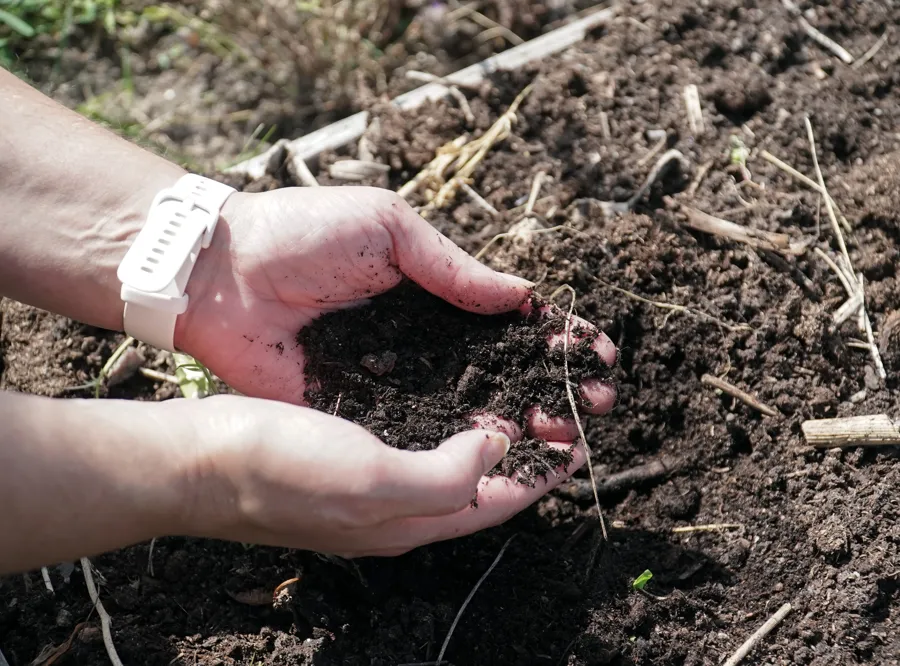
When soil is described as dirt, it becomes easier to see it as something dirty or simply as a material, rather than as a living system, says Nancy Brett.
<関連情報>
- https://liu.se/en/news-item/nar-jorden-blir-data-hur-digitalisering-paverkar-kunskapen-om-jordhalsa
- https://intellectdiscover.com/content/journals/10.1386/public_00287_1
土壌の価値を活かす:土壌とその価値に関するデジタル翻訳 Making Soil Count: Digital Translations of Soil and Its Value
Nancy Brett and Geneviève S. Metson
Public Published:18 Jun 2026
DOI:https://doi.org/10.1386/public_00287_1
Abstract
This paper critically examines the EU’s “Soil Deal for Europe” through a feminist Science and Technology Studies (STS) lens through the exploration of how digital tools such as the EU soil dashboard and Living Labs shape our understanding of soil health. We argue that current soil governance relies on technocratic, data-driven frameworks that obscure ecological complexity and marginalize embodied, local knowledge. By analyzing the sociotechnical assemblage of soil indicators, policy documents, and citizen science platforms, the authors reveal how soil is rendered legible for management but stripped of its relational and living dimensions. We advocate for a care-based, pluralistic approach to soil knowledge one that embraces uncertainty, centers more-than-human relationships, and reimagines soil not as a resource to be controlled but as a dynamic partner in ecological stewardship.

