2026-09-24 ジョージア大学(UGA)
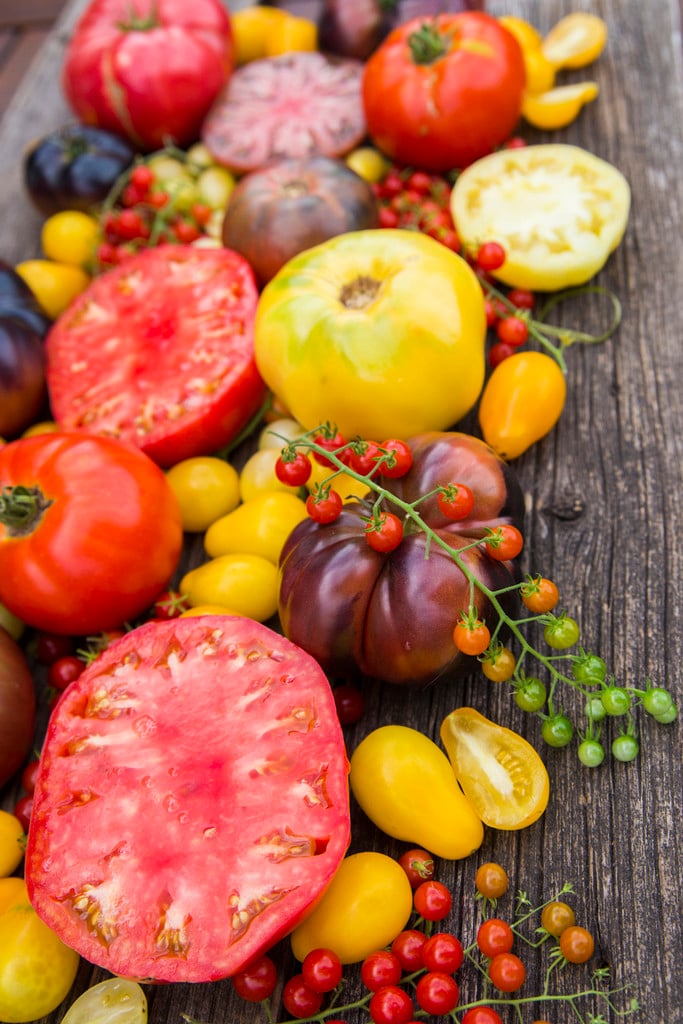
Tomatoes vary widely in color, shape and size, and their flavor is just as complex. Sugars and organic acids combine with tiny amounts of aroma-producing compounds called VOCs that shape our perception of sweetness and overall flavor.
<関連情報>
- https://fieldreport.caes.uga.edu/news/improving-tomato-flavor-genetic-research/
- https://www.pnas.org/doi/abs/10.1073/pnas.2610136123
作物栽培化と改良によるトマトの風味の多様性の遺伝的構造 The genetic architecture of tomato flavor variation through crop domestication and improvement
Xiang Li, Denise M. Tieman, Yue Huang, +11 , and Harry J. Klee
Proceedings of the National Academy of Sciences Published:August 18, 2026
DOI:https://doi.org/10.1073/pnas.2610136123
Abstract
Extensive selection for yield and disease resistance during tomato crop improvement has led to flavor loss in modern commercial tomatoes in comparison with heirloom varieties. To investigate the chemical and genetic architecture of tomato flavor through both domestication and improvement, we analyzed flavor-related chemicals across 558 globally collected accessions comprising wild relatives, semidomesticated and domesticated populations, including uncharacterized Latin American accessions. Key flavor volatiles exhibit major differences across accessions. A genome-wide association study was used to detect associations between genetic loci and flavor-related chemical contents, including sugars, acids, and volatiles. Multiple genetic loci linked to known genes encoding flavor metabolism enzymes, as well as many new loci, were identified. Among the newly identified loci, a gene encoding a previously uncharacterized lipase (Sl-LIP100) was experimentally proven to have an important role in synthesis of lipid-derived flavor volatiles. This enzyme is responsible for synthesis of several important five- and six-carbon flavor volatiles. In sum, this study provides chemical and genetic insights into the evolution of tomato flavor during domestication and subsequent improvement, identifying the complexity of genetic control of fruit flavor chemicals as well as a number of new alleles that can be used to improve the contents of flavor-linked chemicals.