2026-04-10 沖縄科学技術大学院大学
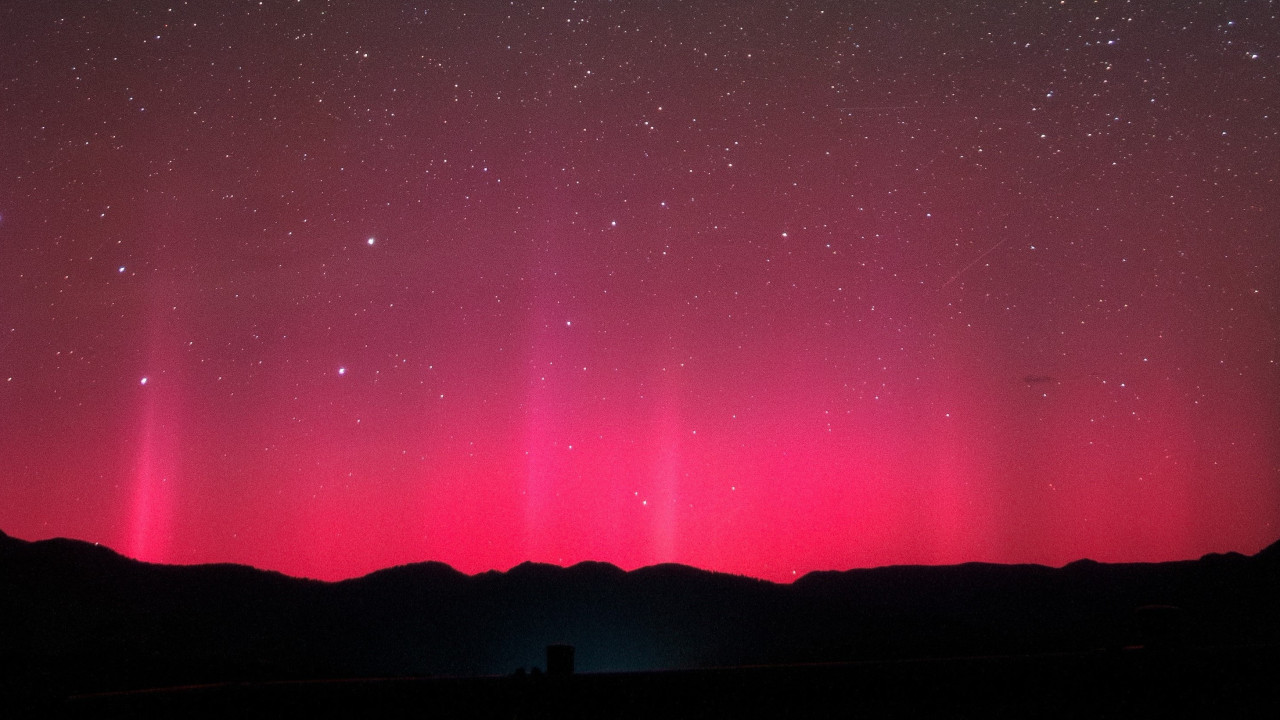
© Tomohiro M. Nakayama (中山智博) (CC-BY-NC)
<関連情報>
- https://www.oist.jp/ja/news-center/news/2026/4/10/medieval-japanese-poetry-and-buried-trees-help-elucidate-volatile-space-weather
- https://www.jstage.jst.go.jp/article/pjab/102/4/102_pjab.102.011/_article
中世(1190年~1220年)の太陽活動が極めて活発であったこと:歴史記録と年輪炭素14の相互比較 Extremely active Sun from 1190 to 1220 in the Medieval Period: Intercomparison of historical records and tree-ring carbon-14
Hiroko MIYAHARA , Ryuho KATAOKA, Kazuaki YAMAMOTO, Fuyuki TOKANAI, Toru MORIYA, Mirei TAKEYAMA, Hirohisa SAKURAI, Motonari OHYAMA, Kazuho HORIUCHI, Hideyuki HOTTA
Proceedings of the Japan Academy, Series B Published: April 10, 2026
DOI:https://doi.org/10.2183/pjab.102.011
Abstract
Several large sunspots and red aurorae have been recorded in the literature from relatively low geomagnetic latitude regions in Northeast Asia around 1200–1205 CE, and this interval can be regarded as one of the highest solar activity periods in the Medieval Period. To search for a potential solar proton event during this time and examine the solar cycle dependence, a high-precision carbon-14 analysis with annual resolution was conducted. We found no enhancement in carbon-14 around 1204 CE when prolonged low-latitude aurorae were observed in Kyoto, Japan, as recorded in Meigetsuki. Instead, we found a potential solar proton event in 1200–1201 CE, possibly associated with either the large sunspots or the red auroral events documented in this period. Reconstruction of solar cycles around the event suggested that this solar proton event occurred at the activity cycle’s maximum. We also found that the solar cycles around this period were approximately seven to eight years, much shorter than those in the modern era, suggesting extremely high solar activity.