2026-08-03 筑波⼤学
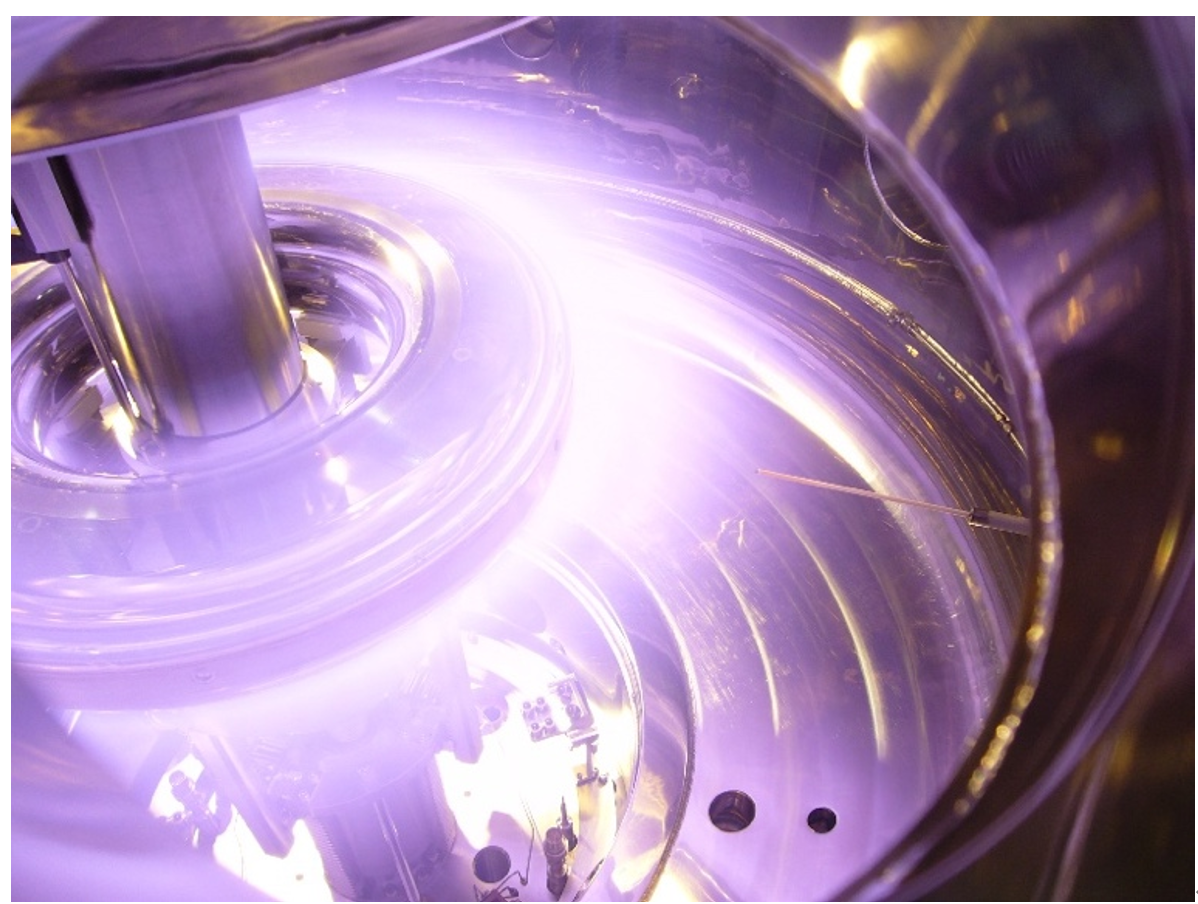
図1 BER-CARS/CSRS顕微鏡の概要。(左)BER-CARS/CSRSの概念図。(右)構築したBER-CARS/CSRS顕微鏡の外観。
<関連情報>
- https://www.tsukuba.ac.jp/journal/technology-materials/20260803140000.html
- https://www.tsukuba.ac.jp/journal/pdf/p20260803140000.pdf
- https://www.science.org/doi/10.1126/sciadv.aec4772
広帯域電子共鳴コヒーレント反ストークス/ストークスラマン散乱顕微鏡 Broadband electronic resonance coherent anti-Stokes/Stokes Raman scattering microscopy
Yusuke Murakami, Minori Masaki, Norihide Sagami, Ikuto Eshima, […] , and Kotaro Hiramatsu
Science Advances Published:31 Jul 2026
DOI:https://doi.org/10.1126/sciadv.aec4772
Abstract
Coherent Raman imaging (CRI) enables label-free chemical imaging based on intrinsic molecular vibrations, but its applicability is often limited by low sensitivity, hindering the detection of low-abundance biomolecules. Although electronic resonance enhances sensitivity, most resonance CRI implementations rely on narrowband excitation and/or detection, which limits spectral coverage and complicates the differentiation of target molecules from complex backgrounds. Here, we address these challenges by developing broadband electronic resonance coherent anti-Stokes/Stokes Raman scattering (BER-CARS/CSRS) microscopy. We show that BER-CARS/CSRS enables highly sensitive, label-free imaging of endogenous chromophores with broad spectral coverage of the entire fingerprint region. Specifically, we captured time-lapse images, visualizing low-abundance cytochromes alongside abundant biomolecules (lipids, proteins, and nucleic acids) in living human embryonic kidney (HEK) 293 cells. Furthermore, we applied the method to mouse tissues, highlighting characteristic localizations of cytochromes in the brain cortex, the cerebral ventricle wall, and the liver. Our results demonstrate that BER-CARS/CSRS provides highly sensitive, label-free chemical imaging from organelle dynamics to tissue mapping, enabling quantitative phenotyping and slide-scale histopathology.