2026-07-29 マックス・プランク研究所
<関連情報>
- https://www.mpg.de/26867567/stress-protection-of-amazon-trees-induced-by-climate-warming-may-alter-atmosphere-chemistry
- https://www.nature.com/articles/s43247-026-03668-9
揮発性イソプレノイドの協調的な生成と葉のターンオーバー戦略は、中央アマゾン森林の樹木をストレスから守る Coordinated volatile isoprenoid production and leaf turnover strategy protect central Amazon Forest trees against stress
Michelle Robin,Vinícius F. de Souza,Joseph Byron,Ülo Niinemets,Jonathan Williams,Christine Römermann,Flávio A. F. D’Oliveira,Cléo Quaresma Dias-Junior,José Francisco de Carvalho Gonçalves,Maquelle N. Garcia,Davieliton Pinho,Bruce W. Nelson & Eliane Gomes Alves
Communications Earth & Environment Published:25 May 2026
DOI:https://doi.org/10.1038/s43247-026-03668-9
A Publisher Correction to this article was published on 22 June 2026
This article has been updated
Abstract
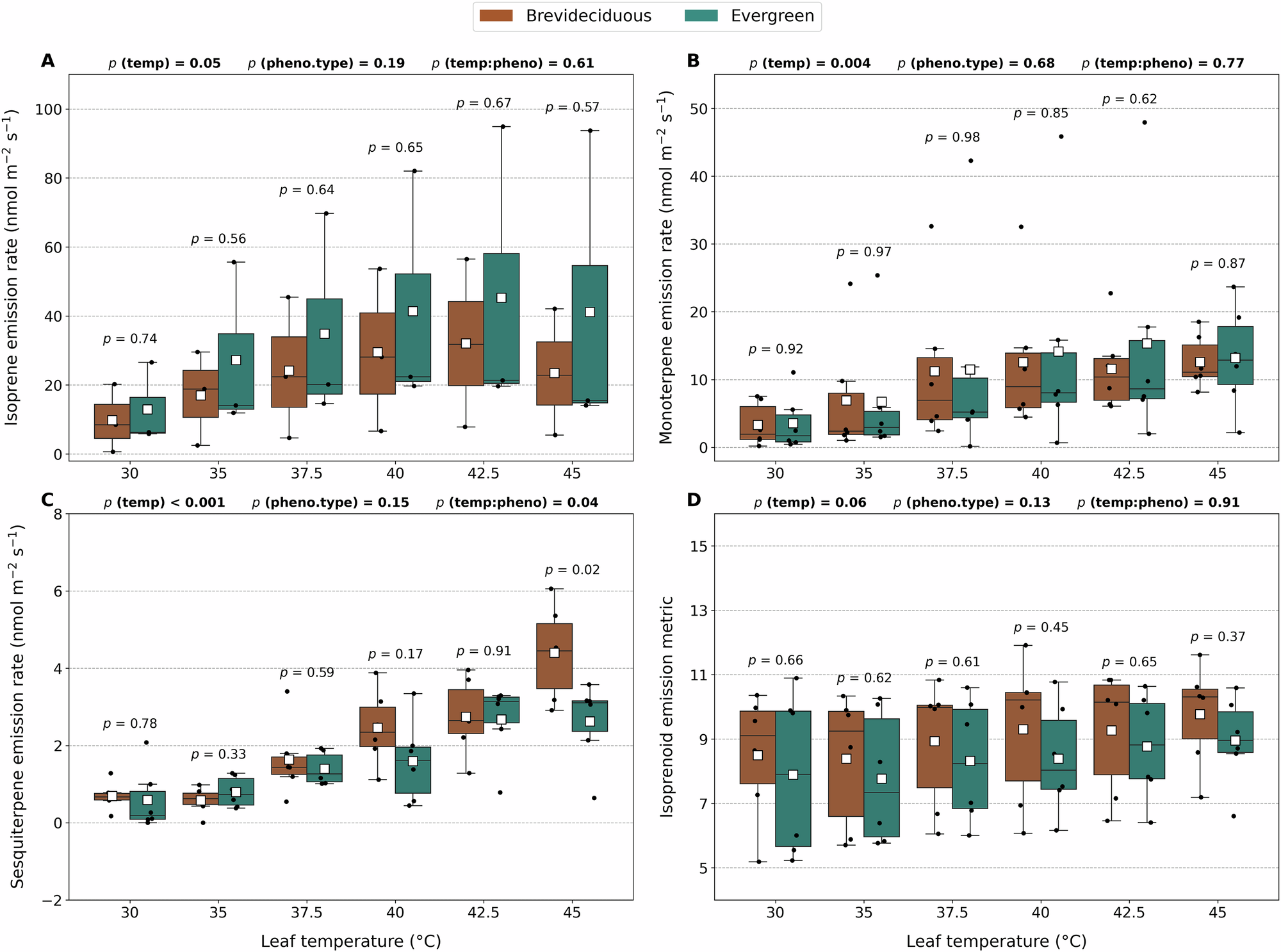
Climate stress impacts on the Amazon Forest highlight the need to understand tree resilience mechanisms. Dry-season leaf turnover in this forest may have evolved to alleviate drought and herbivory stress, and volatile isoprenoid production protects against abiotic and biotic stresses, motivating investigation of their joint responses. We measured temperature and light responses of volatile isoprenoid emissions and photochemical activity traits in 12 brevideciduous and evergreen central Amazon Forest trees. Brevideciduous trees showed stronger increases in sesquiterpene and highly reactive monoterpene emissions with temperature. Brevideciduous isoprene emitters showed superior baseline photosynthetic performance, while evergreen non-emitters had the highest baseline stomatal conductance and thermal stability. By neglecting variability in leaf turnover strategies, a global isoprene emission model consistently overestimated isoprene fluxes. These findings reveal overlooked phenological controls on Amazonian volatile isoprenoid fluxes, challenging standard model parameterization and emphasizing leaf-level data to improve predictions of atmospheric chemistry and climate-vegetation feedback.