1701物理及び化学 1701物理及び化学
1701物理及び化学
1701物理及び化学 天の川銀河の衛星銀河はどのようにして誕生したのか?(How did a satellite galaxy of the Milky Way come to be?)
1701物理及び化学 太陽系で最も高い火山で水の霜が発見される(In a significant first, researchers detect water frost on solar system’s tallest volcanoes)
1701物理及び化学 NASA、壮大な太陽嵐に晒された火星を見る(NASA Watches Mars Light Up During Epic Solar Storm)
1701物理及び化学 レンセラー大学の研究者ら、天の川銀河の形成に関する理論を覆す(Rensselaer Researchers Upend Theory About the Formation of the Milky Way Galaxy)
1701物理及び化学 木星の前線とサイクロンを理解するための海洋学の利用(Using Oceanography To Understand Fronts and Cyclones on Jupiter)
1701物理及び化学 ウェッブ望遠鏡、若い星の周りに多数の炭素分子を発見(Webb Telescope finds plethora of carbon molecules around young star)
1701物理及び化学 最先端のシミュレーションによって明らかになった中間質量ブラックホール形成過程
1701物理及び化学 アリゾナ州の望遠鏡が、よりシャープな新しい光学系で、木星の衛星イオの珍しい画像を捉えた(With new, sharper optics, Arizona telescope captures rare images of Jupiter’s moon Io)
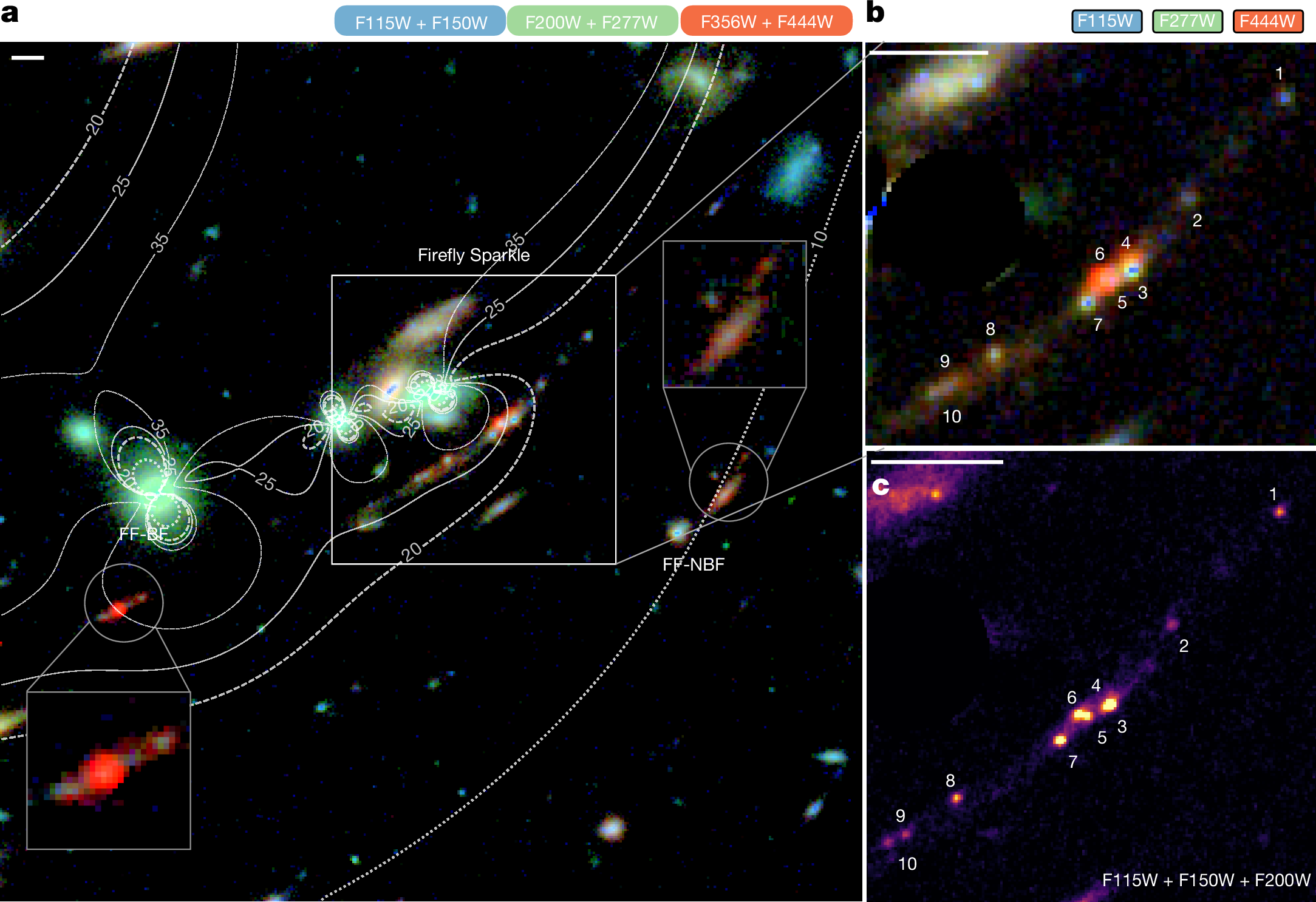
1701物理及び化学 ジェイムズ・ウェッブ宇宙望遠鏡、宇宙の夜明けに最も遠い2つの銀河を発見(James Webb Space Telescope spots the two most distant galaxies ever seen at cosmic dawn)
1701物理及び化学 原始ブラックホールは生成可能か?
1701物理及び化学