2026-09-28 フランス国立科学研究センター(CNRS)
<関連情報>
- https://www.cnrs.fr/en/press/new-species-mosasaur-identified-provence-southeastern-france
- https://peercommunityjournal.org/articles/10.24072/pcjournal.804/
ガラマウド・バウシエンシス、フランス南東部プロヴァンスのサントニアン(白亜紀後期)産の新しい淡水モササウルス科(爬虫類、有鱗目) Garamaudo bauciensis, a new freshwater mosasaurid (Reptilia, Squamata) from the Santonian (Late Cretaceous) of Provence, southeastern France
Bardet, Nathalie; Houssaye, Alexandra; Pelissier, François-Louis; Dutour, Yves; Turini, Eric; Tortosa, Thierry
Peer Community Journal Published:2026-09-28
DOI:https://doi.org/10.24072/pcjournal.804
Abstract
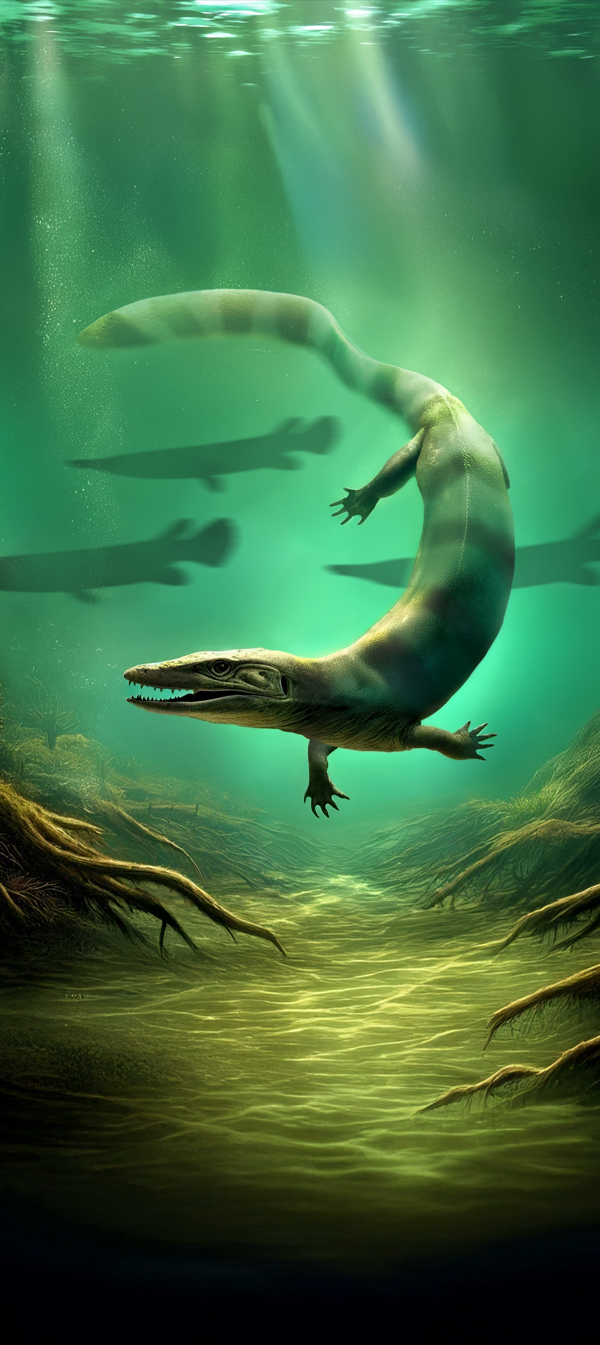
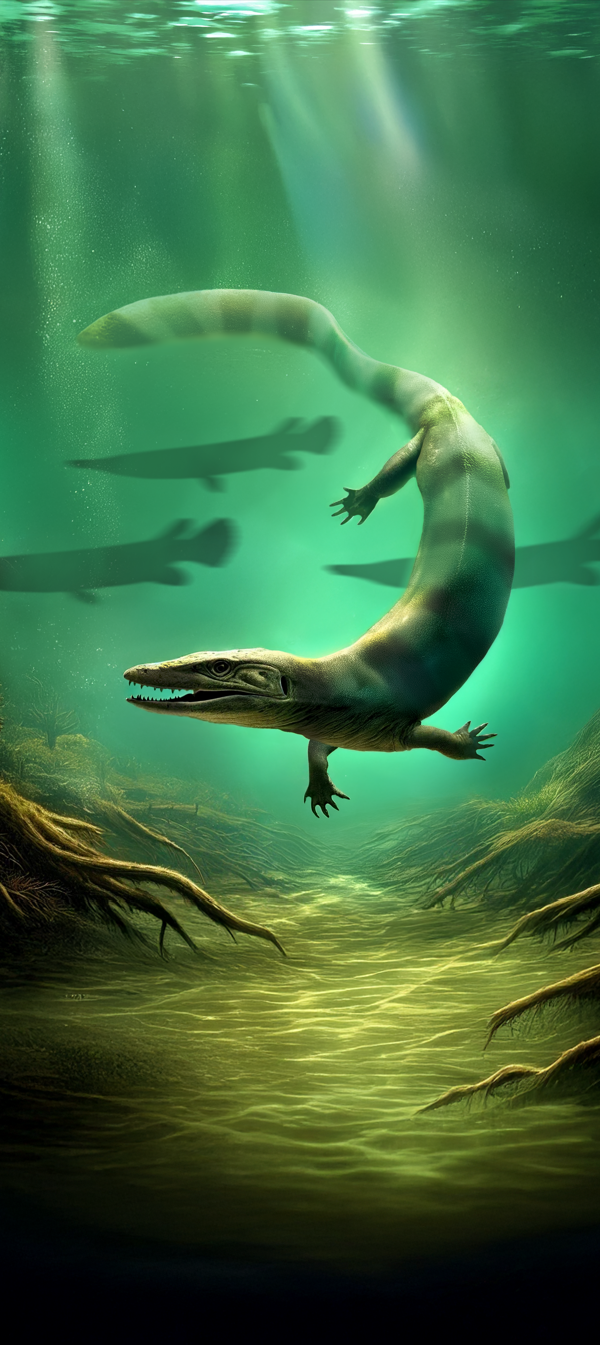
Mosasauroids are primarily known as aquatic squamates that diversified in the marine realm during the Late Cretaceous. While most species had paddles, an elongated skull and body, and a laterally compressed tail, and lived in the open sea, some early species, with limbs similar to those of terrestrial animals and a varanoid-like body, lived in marine coastal shallow waters. Recently, mosasauroid remains have been discovered in freshwater environments in several continental deposits of the Santonian-Campanian of Europe. This study describes new cranial and postcranial mosasauroid remains from Santonian continental deposits in Provence, southeastern France, and attributes them to a new tethysaurine: Garamaudo bauciensis gen. et sp. nov. This mosasauroid, approximately 2.5 m long, with limbs looking adapted for a terrestrial locomotion and a sacrum, and with osteosclerosis in its vertebrae and humerus (at least), probably hovered at shallow depth in freshwater ecosystems. This new discovery reveals that it is only within the Tethysaurinae that multiple freshwater forms evolved, pointing to possible niche partitioning, associated with the retention of the plesiopedal / plesiopelvic condition, in parallel with the invasion of open waters by most other hydropedal and hydropelvic mosasauroids. These considerations suggest a richer evolutionary history of mosasauroids than is currently assumed.