2026-09-14 東北大学
<関連情報>
- https://www.tohoku.ac.jp/japanese/2026/09/press20260914-01-parametric.html
- https://www.tohoku.ac.jp/japanese/newimg/pressimg/tohokuuniv_press20260914_web01_parametric.pdf
- https://www.nature.com/articles/s44304-025-00127-x
津波パラメトリック保険制度におけるベーシスリスク最小化に向けた提案手法 A proposed approach towards minimizing basis risk in tsunami parametric insurance scheme
Yushi Miki,Constance Ting Chua,Anawat Suppasri,An-Chi Cheng,Tomoya Iwasaki,Yugo Shinozuka,Takafumi Ogawa & Fumihiko Imamura
npj Natural Hazards Published:21 July 2025
DOI:https://doi.org/10.1038/s44304-025-00127-x
Abstract
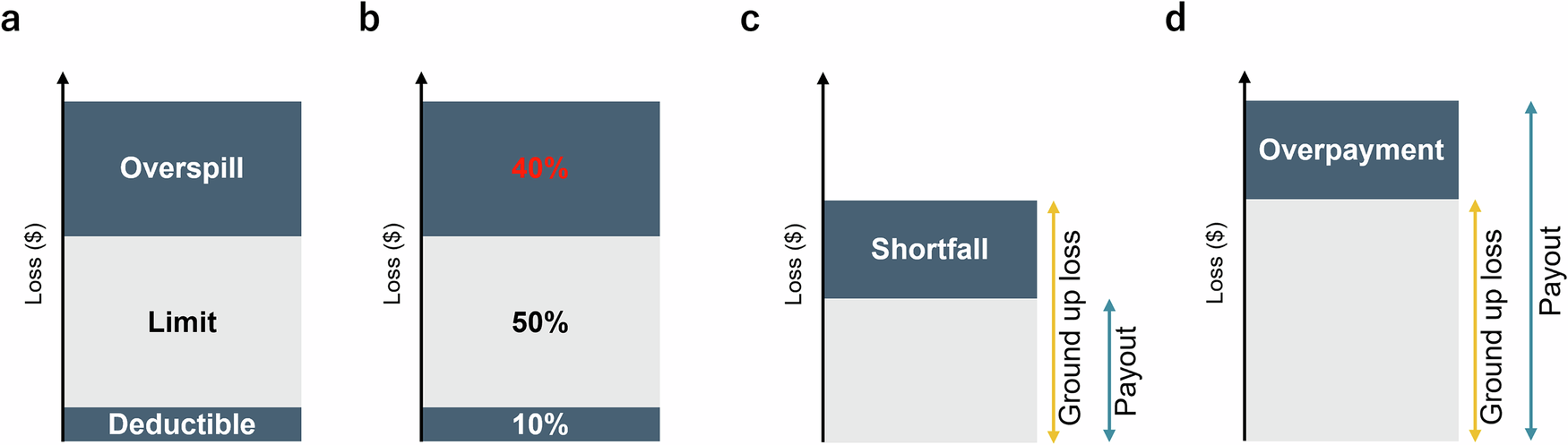
Tsunami parametric solution was introduced commercially in Japan in 2018, making it one of the first of its kind globally. Parametric insurance provides payouts based on a predefined hazard index, yet its application to tsunamis remains limited due to the lack of understanding of their complex nature. A probabilistic tsunami risk assessment (PTRA) is adopted in this study to characterize tsunami risk. We present one of the earliest efforts to quantify basis risk – the mismatch between payout and actual losses, for tsunami events and develop an optimization model that minimizes basis risk. Applying our model to Sendai Port, which is exposed to multiple tsunami-generating earthquake sources, we show that using tsunami inundation depth as the index for payment can significantly reduce basis risk. Furthermore, incorporating multiple indices improves payout accuracy and reduces basis risk, highlighting the potential of this approach in developing more robust tsunami parametric insurance products.