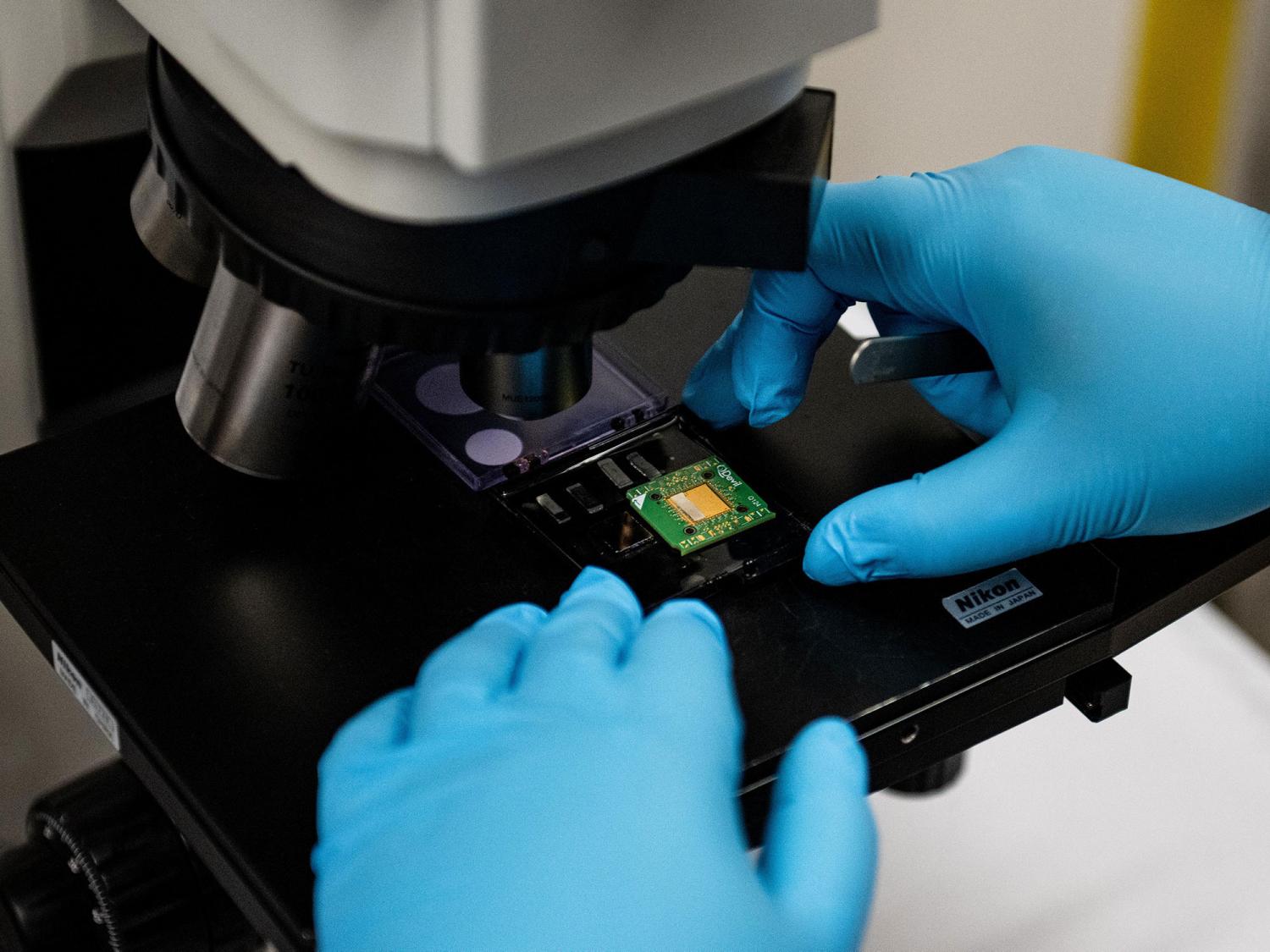
2026-07-09 ペンシルベニア州立大学(Penn State)
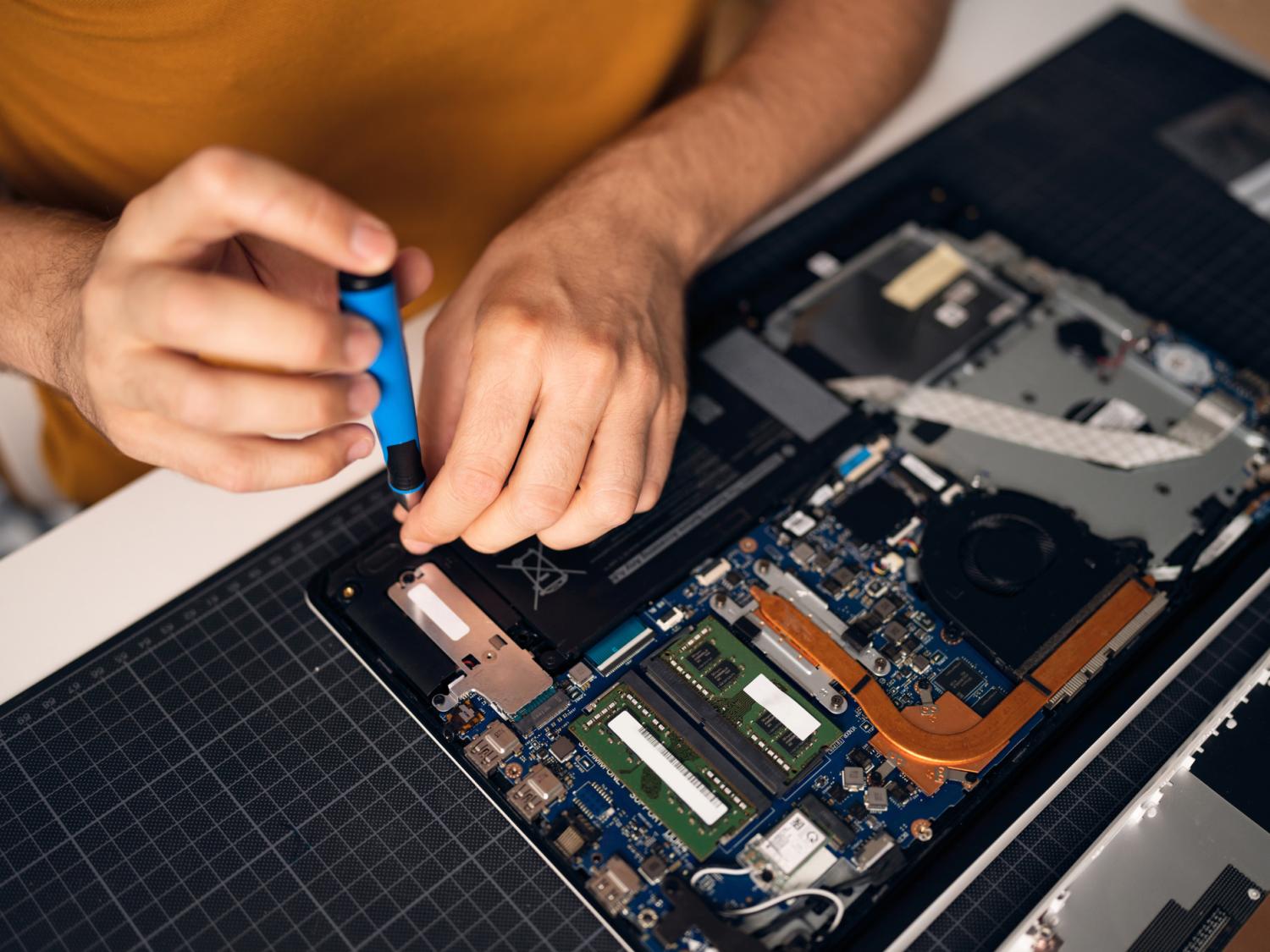
Credit: SrdjanPav/Getty Images. All Rights Reserved.
<関連情報>
- https://www.psu.edu/news/research/story/certifying-third-party-repairs-retains-customers-signals-utility-left-goods
- https://academic.oup.com/jcr/advance-article-abstract/doi/10.1093/jcr/ucag009/8654003
修理サービスシグナル:ブランド修理サービスが未使用ユーティリティを通知し、製品修理を促進する方法 Repair Service Signals: How Brand Repair Services Signal Unused Utility and Increase Product Repair
Nathan Allred ,Karen Page Winterich
Journal of Consumer Research Published:13 April 2026
DOI:https://doi.org/10.1093/jcr/ucag009
Abstract
Over the past several decades, there has been a shift toward disposable consumption resulting in a “throwaway society,” which includes replacing rather than repairing broken durable goods. Third-party repair services exist even as consumers choose to replace over repair, but more brands are offering repair services directly or supporting repair services through certifications. If consumers simply prefer newer products, brand repair services should not deter replacement through promoting repair. However, this research proposes that unlike third-party repair services, brand and brand-certified repair services signal unused utility in non-fully functioning products, increasing repair. This effect is demonstrated across two field studies and four lab experiments. Drawing upon the role of unused utility, the findings show that the signal from brand repair services is not needed to drive repair when consumers have domain expertise or products hold sentimental value as repair occurs in such cases without an unused utility signal from the brand. However, when product upgrades are salient, consumers’ motivation to upgrade attenuates the effect of brand repair services on unused utility, decreasing repair likelihood. This research makes substantive contributions to sustainability efforts to mitigate overconsumption, offers implications for brand and third-party managers, and contributes to signaling theory and unused utility literature.