
2026-05-27 韓国基礎科学研究院(IBS)
韓国・基礎科学研究院(IBS)脳神経画像研究センターの羅学寛(Hakwan Lau)所長らの研究チームは、「AIは意識を持ち得るのか」という議論について、現在の意識研究手法には根本的な限界があると指摘した。研究成果は5月26日付で学術誌『Neuron』に掲載された。研究では、AI、動物、胎児、脳オルガノイドなどの“意識”に関する近年の議論を検討し、既存研究の多くが「主観的体験」そのものではなく、単なる情報処理能力を測定している可能性が高いと論じた。視覚マスキングや両眼視野闘争などの代表的実験手法は、意識だけでなく知覚処理全体にも影響するため、意識と認知機能が混同されやすいという。研究チームは、盲視や半側空間無視など、知覚と意識が分離する神経心理学的症例に注目し、より厳密な方法論の必要性を提唱した。AI倫理や動物福祉、生命倫理に関わる議論が進む中、意識研究にはより慎重で科学的に厳密な基準が求められるとしている。
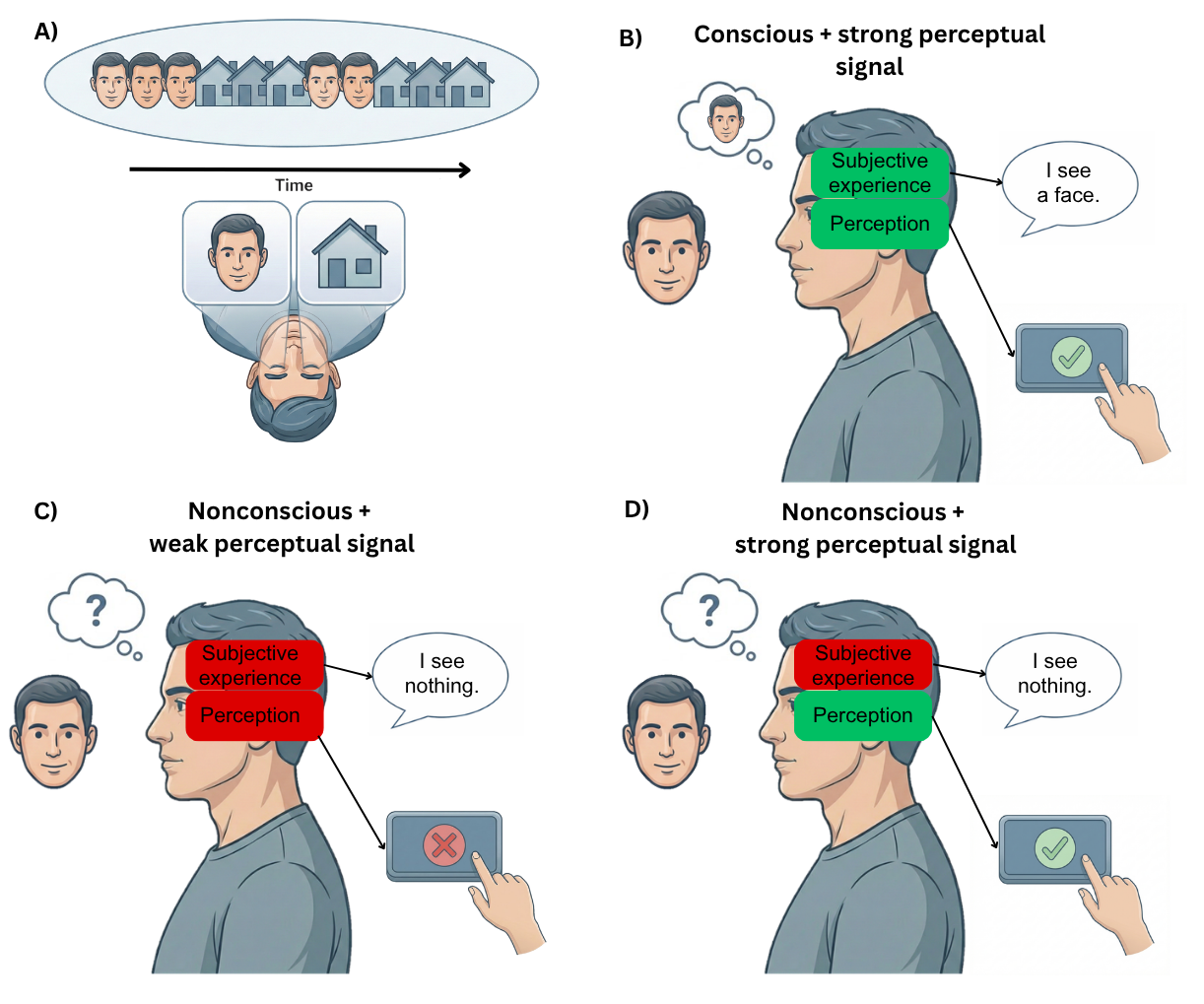
Figure 1. The conflation of perception and subjective experience in consciousness science
<関連情報>
- https://www.ibs.re.kr/cop/bbs/BBSMSTR_000000000738/selectBoardArticle.do?nttId=26712&pageIndex=1&searchCnd=&searchWrd=
- https://www.cell.com/neuron/abstract/S0896-6273(26)00276-X
現在の意識科学における倫理的行き詰まり The ethical impasse of current consciousness science
Vincent Taschereau-Dumouchel ∙ Jun Seo Hwang ∙ Hakwan Lau ∙ Joseph E. LeDoux
Neuron Published:May 26, 2026
DOI:https://doi.org/10.1016/j.neuron.2026.04.007
Abstract
Rising media attention regarding consciousness in animals, fetuses, organoids, and AI has led to some rather strong statements. Most of these claims are based on “markers” of consciousness that track the general capacity for information processing rather than subjective experience per se. Accordingly, their relevance for theory arbitration may actually be limited.

