2026-08-20 ペンシルベニア州立大学(Penn State)
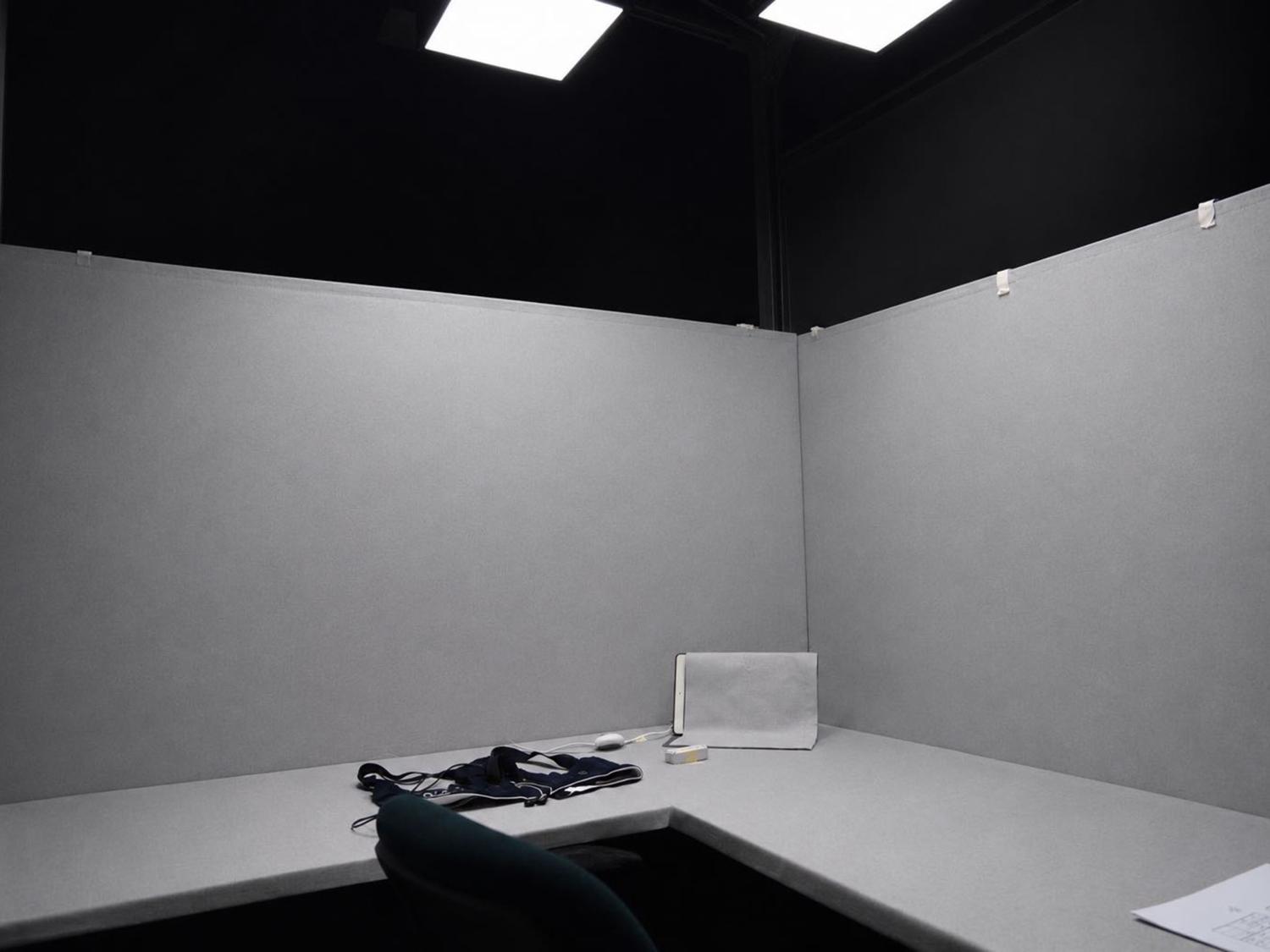
A new study led by scientists at Penn State found that white light can impact how people experience indoor temperatures. Although the wavelength differences are invisible to the human eyes, they can influence the gap between perceived and real temperature by as much as 1.3 degrees Fahrenheit (F). Credit: Courtesy of Julian Wang / Penn State. Creative Commons
<関連情報>
- https://www.psu.edu/news/research/story/subtle-white-light-changes-make-indoor-rooms-feel-cooler-or-warmer
- https://www.sciencedirect.com/science/article/abs/pii/S0378778826007048
日中の過渡的な熱環境における、メタメリック光が人間の主観的および行動的な熱反応に及ぼす影響 Effects of metameric light on human subjective and behavioral thermal responses in daytime transient thermal environments
Nan Wang, Julian Wang, Jeffrey Mundinger, Anne-Marie Chang, Yanxiao Feng, Chenshun Chen
Energy and Buildings Available online: 15 May 2026
DOI:https://doi.org/10.1016/j.enbuild.2026.117644
Highlights
- Shows thermal effects of metameric lighting on human thermal perception.
- Blue-enriched metameric white light produces cooling behavioral responses.
- Red-enriched metameric white light induces warmer thermal sensation votes.
- Reveals distinct thermal regulation pathways in ascending vs. descending temperatures.
- Spectral lighting modulation shifts comfort range and reduces HVAC demand.
Abstract
Light has been increasingly recognized as a contributor to non-visual thermal perception, yet most existing studies confound spectral and visual attributes, limiting isolation of non-visual thermal mechanisms. This study experimentally investigates the thermal effects of metameric light sources—spectrally distinct yet visually indistinguishable—under daytime transient thermal environments. A randomized 2 × 2 crossover experiment was conducted with ten participants exposed to blue-enriched and red-enriched metameric white light during rising and falling air-temperature cycles in a controlled environmental chamber. Thermal comfort and thermal sensation votes were collected every five minutes, and behavioral thermal tolerance was assessed based on participants’ temperature adjustment requests. Results show that blue-enriched white light produced a cooling effect, reflected in delayed adjustment requests corresponding to an average of 0.7 °C higher tolerated air temperature (p = 0.037) during ascending temperature cycles. In contrast, red-enriched metameric light induced a heating effect, supported by significantly warmer thermal sensation votes during descending cycles (β = 0.19, p = 0.013). These findings provide direct experimental evidence that the non-visual spectral properties of indoor lighting influence occupants’ thermal perception and behavioral responses during realistic temperature transitions. Building energy simulations informed by the experimentally observed tolerance shifts indicate that widening thermostat setpoints by 0.5 °C can yield cooling energy savings of 5.2% to 11.4% across representative climate zones. Together, these results identify a human-mediated pathway for HVAC–lighting synergy, demonstrating how spectral lighting can support energy-efficient and decarbonized building operation through coordinated perceptual and thermal control strategies.