2026-05-07 シンガポール国立大学(NUS)
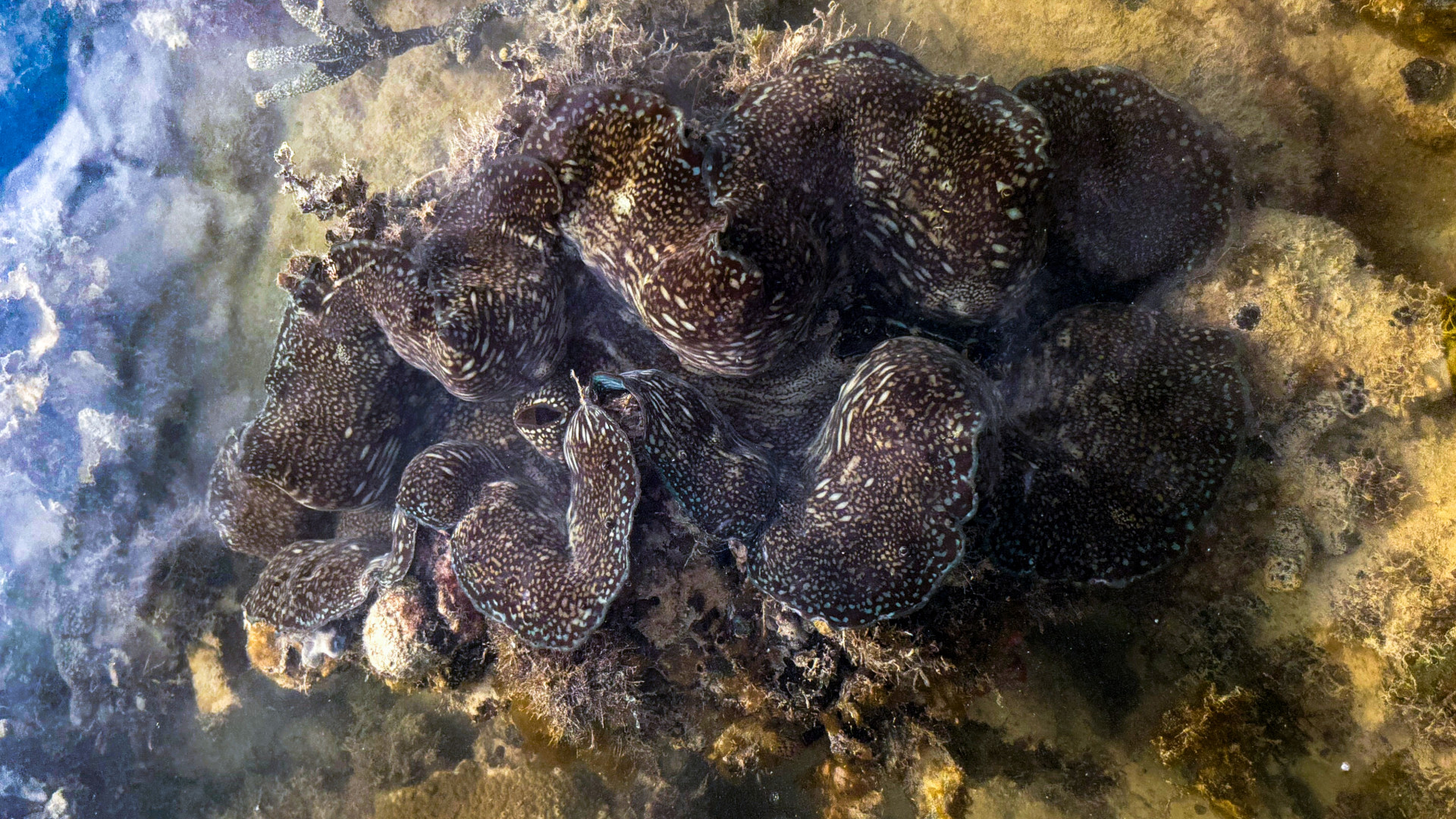
The critically endangered fluted giant clam (Tridacna squamosa) is one of the two giant clam species still found in Singapore’s waters. Photo: Neo Mei Lin
<関連情報>
- https://news.nus.edu.sg/protecting-southeast-asia-giant-clams/
- https://onlinelibrary.wiley.com/doi/10.1002/aqc.70354
「危機」を克服する:SWOT分析により、東南アジアにおけるオオシャコガイの保護を改善するための優先事項が明らかになる Overcoming a ‘Clamity’: SWOT Analysis Uncovers Priorities to Improve Giant Clam Conservation in Southeast Asia
Mei Lin Neo, Christina Choy, Colette C. C. Wabnitz, Theresa Su, Alvin Chelliah, Roger G. Dolorosa, Li Keat Lee, H. R. Samuel Lee, Abigail M. Moore, Delianis Pringgenies, …
Aquatic Conservation: Marine and Freshwater Ecosystems Published: 06 April 2026
DOI:https://doi.org/10.1002/aqc.70354
ABSTRACT
Giant clams in Southeast Asia are impacted by overfishing, habitat loss and climate change. To help prioritise pathways for more effective conservation, a multi-stakeholder roundtable applied a strengths, weaknesses, opportunities and threats (SWOT) analysis across three themes: protection measures, mariculture for conservation and multi-stakeholder engagement. Analysis revealed that strong international and national legislations support protection, but weak enforcement, limited funding and low public awareness emerged as persistent barriers. This policy brief, drawing on regional experiences, also underscores the importance of community engagement, financial sustainability and science communication as drivers of inclusive and enduring marine conservation, which may offer lessons beyond Southeast Asia.