2026-03-13 中国科学院(CAS)
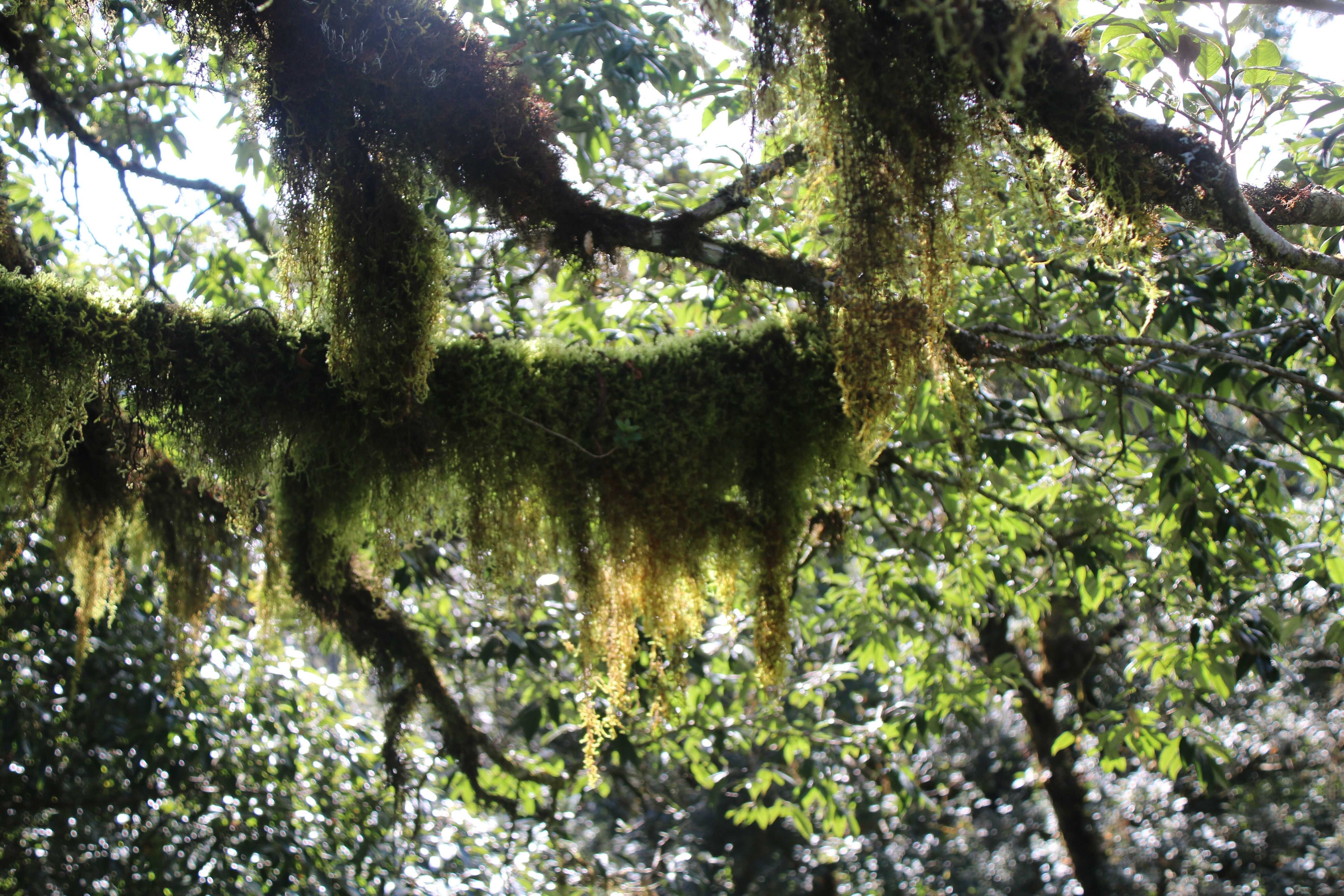
Bryophytes in subtropical forest. (Image by XTBG)
<関連情報>
- https://english.cas.cn/newsroom/research-news/202603/t20260316_1152706.shtml
- https://onlinelibrary.wiley.com/doi/10.1111/gcb.70789
世界的な自然保護の盲点:蘚苔類の軽視が生物多様性目標を損なう A Global Conservation Blind Spot: Neglect of Bryophytes Undermines Biodiversity Targets
Xiangbo Yin, Yifei Liu, Fanhao Kong, Lei Shu, Changlian Peng, Lee Ping Ang
Global Change Biology Published: 09 March 2026
DOI:https://doi.org/10.1111/gcb.70789
ABSTRACT
The global biodiversity crisis is unevenly documented, with conservation assessments heavily biased toward vertebrates and flowering plants. Terrestrial gametophyte-dominant plants (i.e., bryophytes), with over 20,000 species and representing one of Earth’s oldest radiations, remain among the most overlooked. To quantify this gap, we integrated global distribution records, elevation patterns, IUCN datasets, research trends, and threat meta-analyzes. Thirty-seven bryophyte-rich regions and global elevational patterns were identified. We found only 1.5% of bryophyte species have been assessed by the IUCN Red List, and among these assessed species, over half are threatened, nearly twice the global average for plants. Agriculture and climate change emerged as the dominant extinction drivers worldwide, while threats vary regionally: deforestation threatens bryophyte diversity in Africa and South America, while climate change and invasive species are the primary threats in Europe. Without targeted, region-specific conservation strategies, accelerating bryophyte decline will undermine biodiversity targets and jeopardize essential ecosystem functions.