2025-09-29 米国国立再生可能エネルギー研究所(NREL)
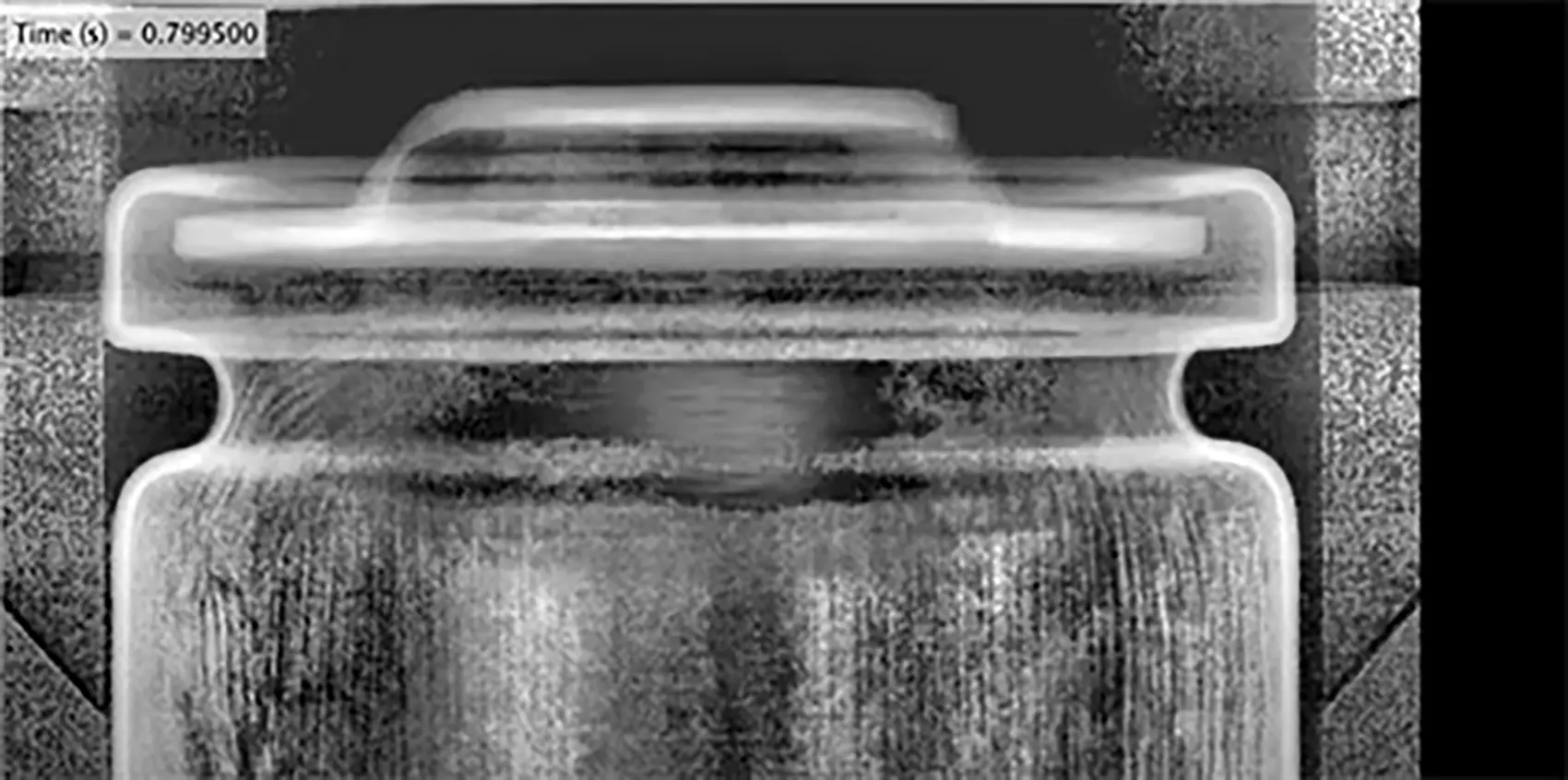
NREL’s extensive portfolio of battery-safety research includes high-speed X-ray imaging to show what happens during battery failure. Image by Donal Finegan, NREL
<関連情報>
- https://www.nrel.gov/news/detail/program/2025/safer-batteries-reliable-power-guiding-research-for-next-generation-energy-storage
- https://www.nature.com/articles/s41586-025-09358-4
次世代バッテリーの安全性への対応 Addressing the safety of next-generation batteries
Chuanbo Yang,Avtar Singh,Xiaofei Pu,Anudeep Mallarapu,Kandler Smith,Matt Keyser,Michael R. Haberman,Hadi Khani,Pawel Misztal,Ryan Spray,Ofodike A. Ezekoye & Donal P. Finegan
Nature Published:17 September 2025
DOI:https://doi.org/10.1038/s41586-025-09358-4
Abstract
Owing to increasing demand for low-cost energy storage with secure material supply chains, the battery community is approaching a pivotal shift beyond conventional lithium-ion (Li-ion) towards next-generation cells. Technologies that include alkali-metal anodes, solid electrolytes and earth-abundant materials such as sodium (Na) and sulfur (S) are reaching commercialization in cells. The abuse tolerance and thermal runaway hazards of such technologies diverge from conventional Li-ion cells. Consequently, designing safe batteries with next-generation materials requires a holistic approach to characterize cells and to understand their responses to abuse conditions from the beginning to the end of life. Here we provide a Perspective on how the safety and abuse tolerance of cells are likely to change for up-and-coming technologies; challenges and opportunities for reimagining safe cell and battery designs; gaps in our knowledge; capabilities for understanding the hazards of thermal runaway and how to address them; how standard abuse tests may need to adapt to new challenges; and how research needs to support affected professionals, from pack designers to first responders, to manage hazards and ensure safe roll-out of next-generation cells into applications like electric vehicles (EVs). Finally, given the large number of next-generation technologies being explored, we encourage giving priority to safety-focused research in proportion to the rate of manufacturing scale-up of each specific technology.