2025-11-05 ペンシルベニア州立大学(PennState)
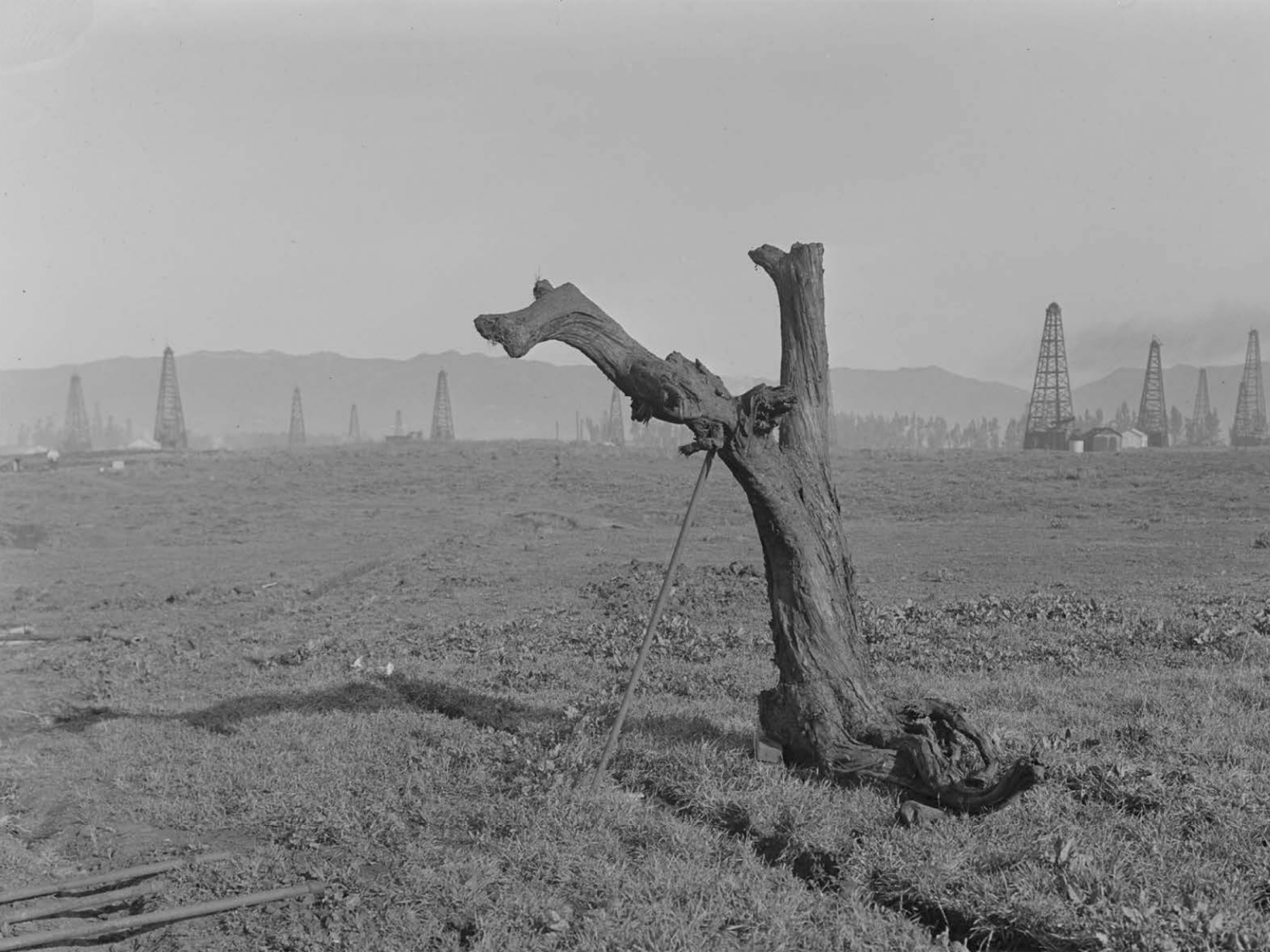
Some of the key samples in the study came from the La Brea Tar Pits in Southern California, where researchers analyzed ancient juniper wood preserved in tar. The team found clear signs of elevated photorespiration in the samples, meaning that the trees were releasing CO2 back into the atmosphere nearly as fast they removed it. This archival photo from the original excavations at La Brea Tar Pits shows a tree used in the study. Credit: Courtesy of La Brea Tar Pits. All Rights Reserved.
<関連情報>
- https://www.psu.edu/news/research/story/ice-age-trees-helped-stabilize-earths-atmosphere-suffocating
- https://www.nature.com/articles/s41561-025-01841-x
最終氷期における光呼吸の亢進を示す同位体証拠 Isotopic evidence for elevated photorespiration during the last glacial period
Max K. Lloyd,Rebekah S. Sprengel,Barbara E. Wortham,Regan E. Dunn,Daniel E. Ibarra,Todd E. Dawson & Daniel A. Stolper
Nature Geoscience Published:05 November 2025
DOI:https://doi.org/10.1038/s41561-025-01841-x
Abstract
Low atmospheric carbon dioxide levels are thought to suppress land plant productivity in part by promoting photorespiration, wherein illuminated C3 plants uptake molecular oxygen and release carbon dioxide. This could act as a negative feedback that limits atmospheric carbon dioxide decline during glacial periods. However, colder glacial temperatures would suppress photorespiration, potentially counteracting this feedback. Here we tested the hypothesis that land plants photorespired more during glacial periods by applying a proxy for photorespiration rate based on clumped isotope compositions of wood methoxyl groups, validated in modern and recent trees, to North American subfossil tree specimens from the last glacial period. We find that, across most of ice-free North America, trees from the last glacial period photorespired more than more recent trees from similar locations and more than contemporary trees from higher latitudes. We reconcile these differences using a single model relationship between temperature, atmospheric carbon dioxide levels and photorespiration, which suggests that, during glacial periods, photorespiration increased primarily in warmer growing environments that cooled by about 6 °C or less. This supports the hypothesis of a negative feedback that regulates atmospheric carbon dioxide by increasing photorespiration and restricting land plant productivity during glacial periods.