2025-10-09 ワシントン州立大学 (WSU)
<関連情報>
- https://news.wsu.edu/press-release/2025/10/09/early-planting-to-avoid-heat-doesnt-match-current-spring-wheat-production/
- https://www.nature.com/articles/s43247-025-02716-0
早期植え付けは、将来の気候下での米国の春小麦の歴史的な生産条件を再現することができない Earlier planting fails to replicate historical production conditions for US spring wheat under future climates
Supriya Savalkar,Michael O. Pumphrey,Kimberly G. Campbell,Fabio V. Scarpare,Tanvir Ferdousi,Samarth Swarup,Claudio O. Stöckle & Kirti Rajagopalan
Nature Earth Environmental Published:27 August 2025
DOI:https://doi.org/10.1038/s43247-025-02716-0
Abstract
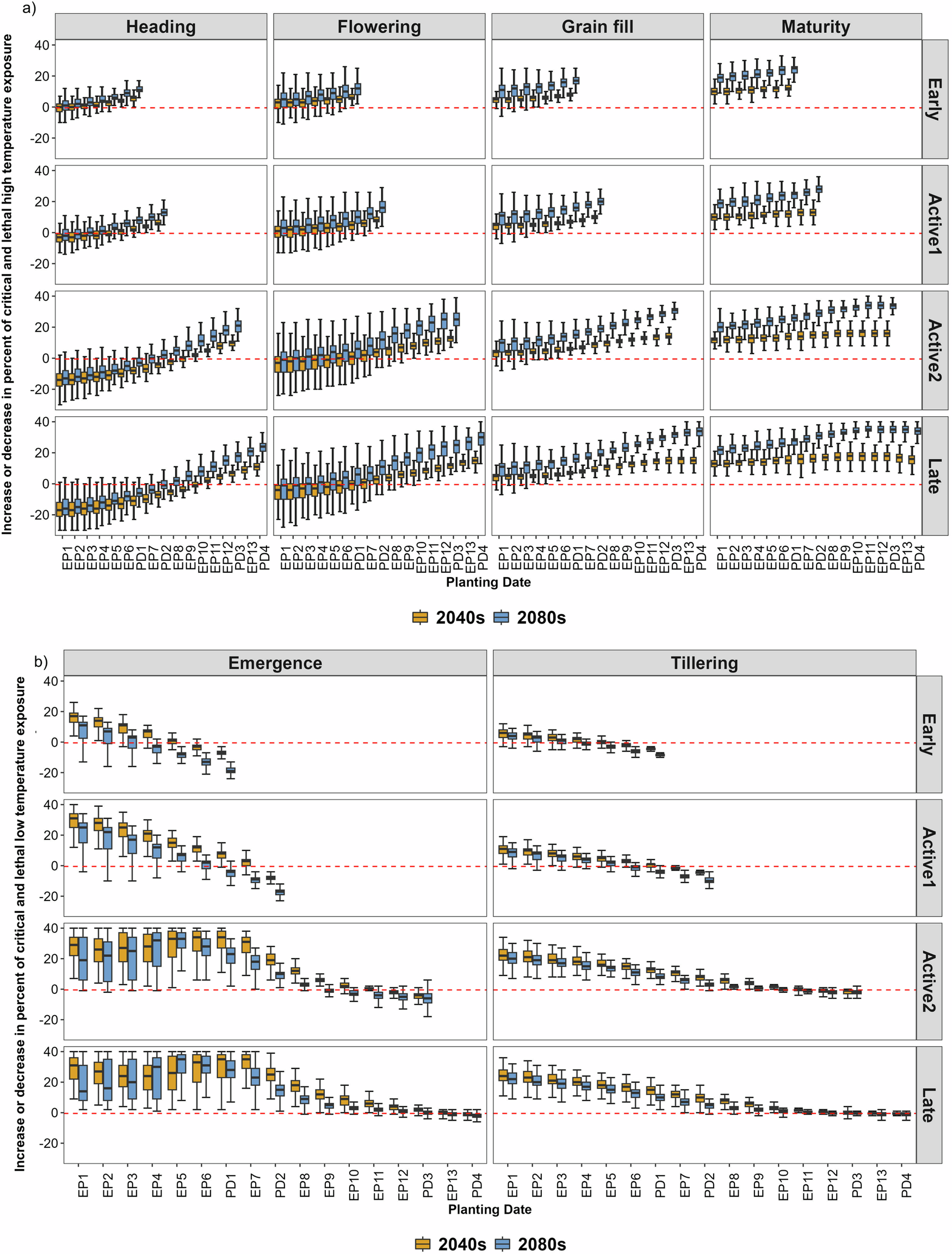
Global warming and heat stress can adversely affect crop yields and quality. Earlier planting that shifts the growing season to cooler periods is a widely considered adaptation strategy in climate change literature. We ask: How effective is earlier planting in reducing high-temperature-exposure across growth stages? What are the associated temperature-exposure tradeoffs, and can historical conditions be matched? With US spring wheat as a case study, growth-stage-specific temperature exposure signatures are developed to estimate tradeoffs from earlier planting. While earlier planting does reduce exposure to critical and lethal high temperatures during reproductive stages, it fails to replicate historical production conditions. The Pacific Northwest is an exception, although tail-end growth stages may require management. Historically-equivalent planting windows narrow presenting logistical challenges. Therefore, while many climate-change assessments list earlier planting as an effective adaptation strategy, it may not be as effective when tradeoffs are considered, and consideration of other strategies will be important.