2026-03-18 ペンシルベニア州立大学(Penn State)
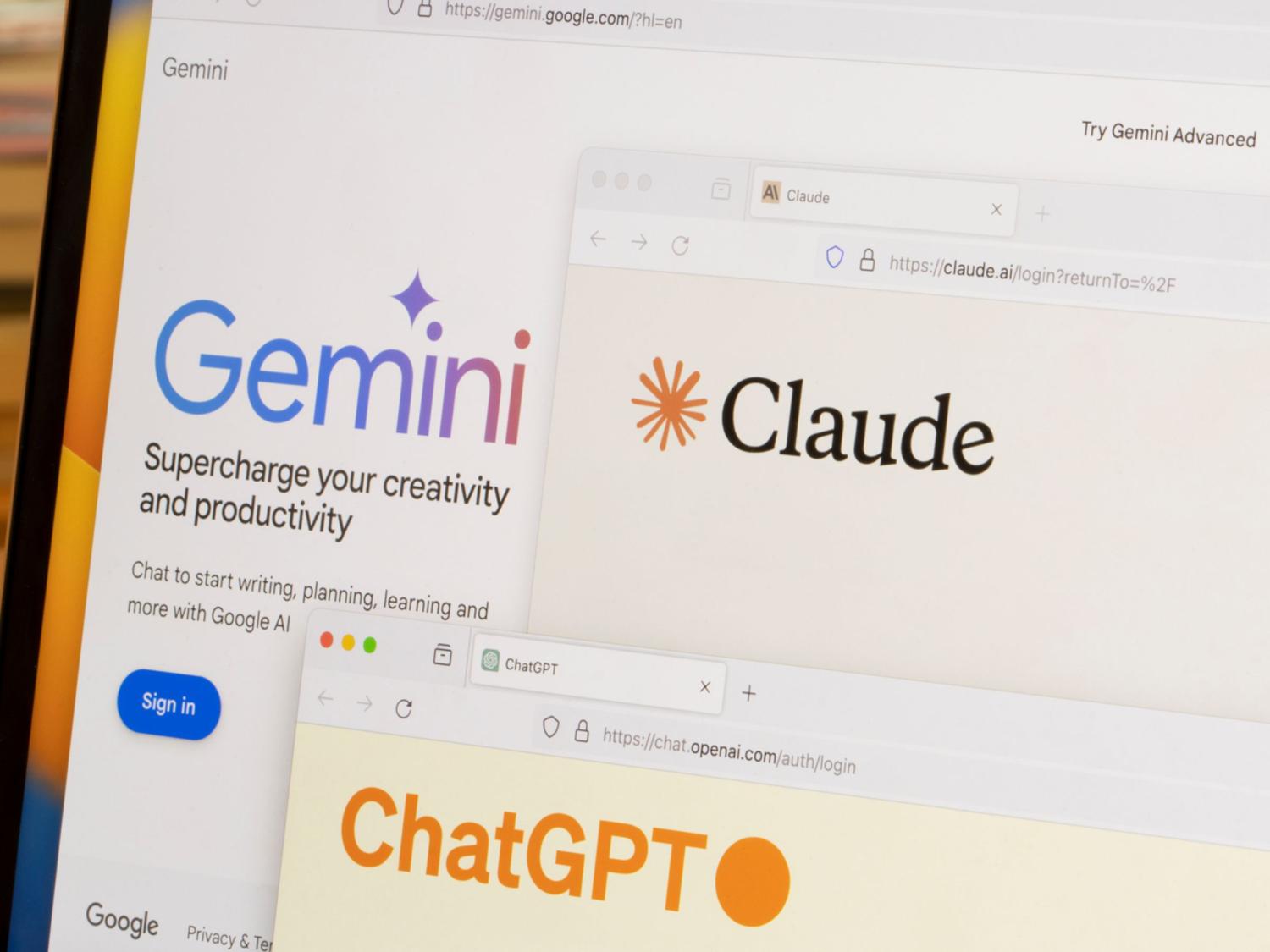
Longer conversations with an AI-powered chatbot can make the bot overly agreeable, affecting the accuracy of its responses. Credit: Tada Images/Adobe Stock. All Rights Reserved.
<関連情報>
- https://www.psu.edu/news/information-sciences-and-technology/story/ai-powered-chatbots-can-become-too-agreeable-over-time
- https://news.mit.edu/2026/personalization-features-can-make-llms-more-agreeable-0218
- https://arxiv.org/abs/2509.12517
相互作用の状況はしばしばLLMにおける追従行為を増加させる Interaction Context Often Increases Sycophancy in LLMs
Shomik Jain, Charlotte Park, Matt Viana, Ashia Wilson, Dana Calacci
arXiv last revised 3 Feb 2026 (this version, v3)
DOI:https://doi.org/10.48550/arXiv.2509.12517
Abstract
We investigate how the presence and type of interaction context shapes sycophancy in LLMs. While real-world interactions allow models to mirror a user’s values, preferences, and self-image, prior work often studies sycophancy in zero-shot settings devoid of context. Using two weeks of interaction context from 38 users, we evaluate two forms of sycophancy: (1) agreement sycophancy — the tendency of models to produce overly affirmative responses, and (2) perspective sycophancy — the extent to which models reflect a user’s viewpoint. Agreement sycophancy tends to increase with the presence of user context, though model behavior varies based on the context type. User memory profiles are associated with the largest increases in agreement sycophancy (e.g. +45\% for Gemini 2.5 Pro), and some models become more sycophantic even with non-user synthetic contexts (e.g. +15\% for Llama 4 Scout). Perspective sycophancy increases only when models can accurately infer user viewpoints from interaction context. Overall, context shapes sycophancy in heterogeneous ways, underscoring the need for evaluations grounded in real-world interactions and raising questions for system design around alignment, memory, and personalization.