2026-03-12 国際農林水産業研究センター,ウボンラチャタニ大学
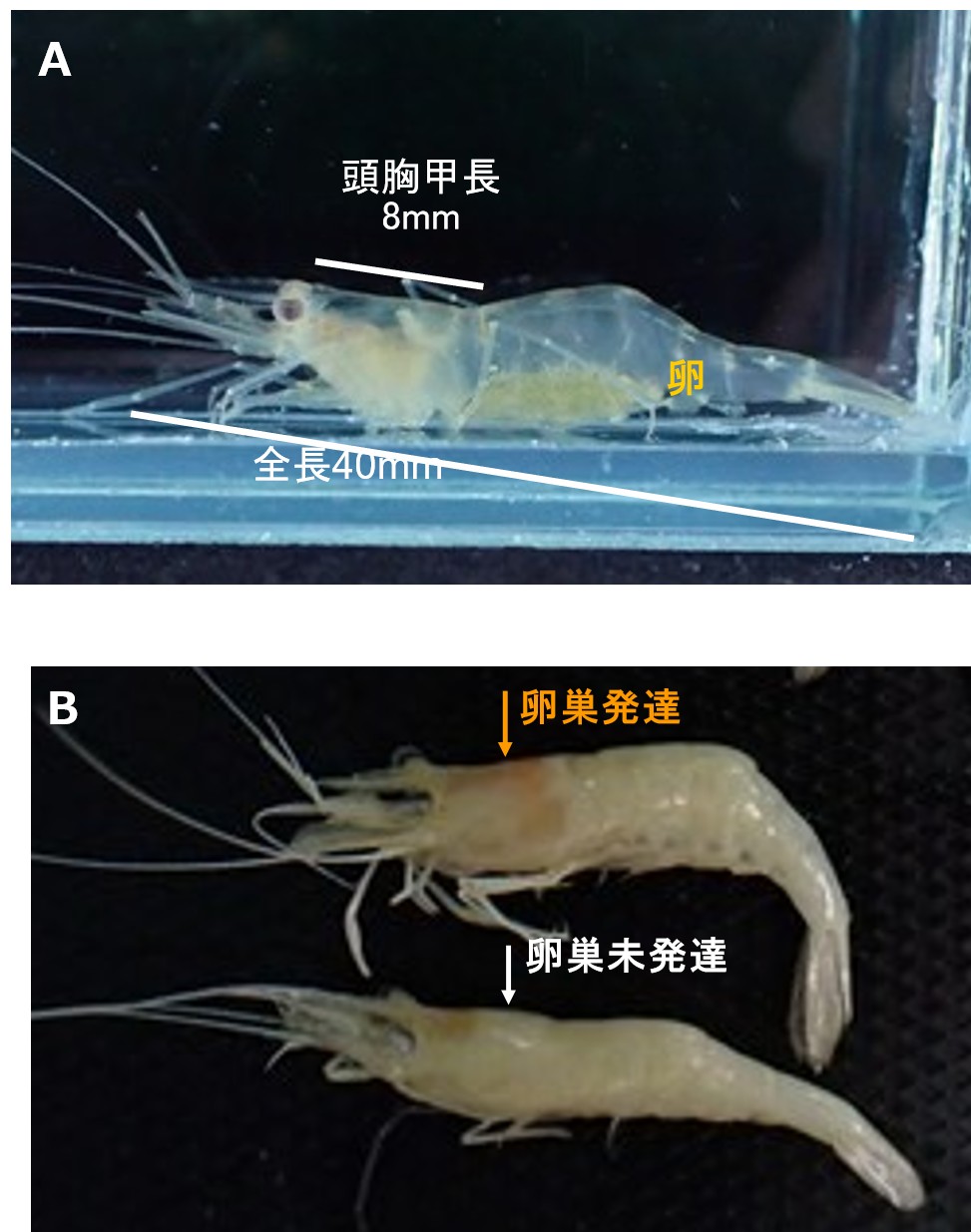
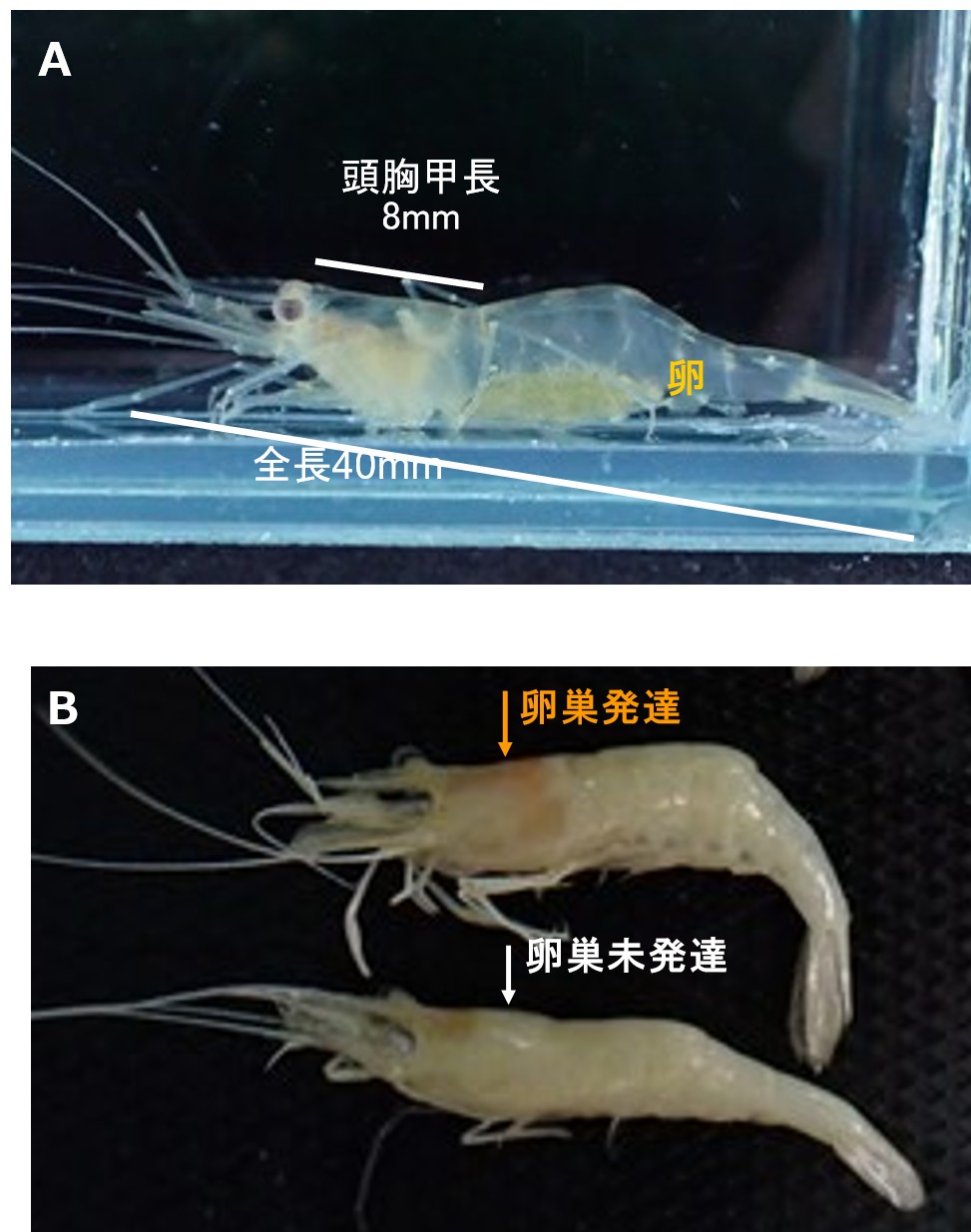
図1 小型テナガエビ類の雌
<関連情報>
- https://www.jircas.go.jp/ja/release/2025/press202528
- https://www.sciencedirect.com/science/article/pii/S0165783625003066
小型淡水エビ類マクロブラキウム・ランチェステリ(Palaemonidae)の生態学的側面 Life history aspects of the small freshwater shrimp, Macrobrachium lanchesteri species complex (Palaemonidae)
Minoru Saito, Chaiwut Grudpan, Jarungjit Grudpan, Achara Jutagate, Satoshi Honda, Tuantong Jutagate
Fisheries Research Available online: 29 October 2025
DOI:https://doi.org/10.1016/j.fishres.2025.107569
Highlights
- Macrobrachium lanchesteri species complex reproduced year-round.
- Reproduction was most active from June to August, with shorter spawning intervals during this period.
- The size compositions of reproductive females varied seasonally.
- The new recruits appeared mainly between September and November.
- Females likely mature in less than a year.
Abstract
Lanchester’s Freshwater Prawn Macrobrachium lanchesteri species complex is a commercial freshwater shrimp widely distributed and commonly consumed throughout the Indochinese Peninsula. We investigated the baseline life history of this species complex, including reproductive aspects, recruitment, and growth patterns. Shrimp samples were collected monthly from an oxbow lake in Northeast Thailand. Egg-carrying females were present throughout the year. Reproduction was most active between June and August and least active between November and December. The least active period of reproduction coincided with the winter solstice. The carapace length of ovigerous females ranged from 4.6 to 10.9 mm. Newly recruited individuals of both sexes mainly appeared between September and November. The recruited females were observed to reach maturity between March and May, i.e., less than one year after hatching, and continued to reproduce until they reached a maximum carapace length of approximately 11 mm. We discuss the effectiveness of current fisheries regulations and propose potential additional fisheries regulations based on the results of our study.