
2025-10-09 カリフォルニア大学サンタバーバラ校(UCSB)
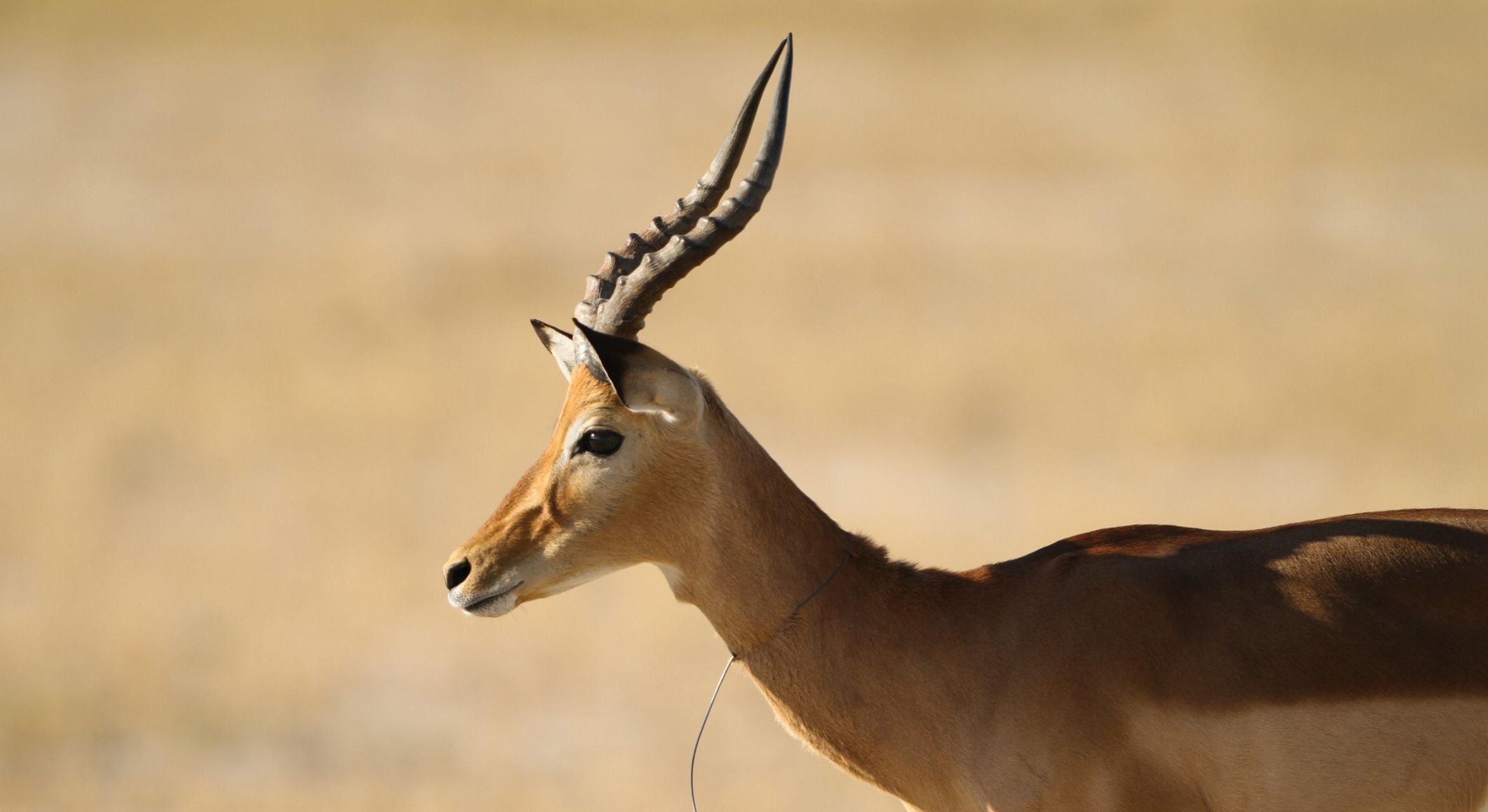
Snaring is an important hunting method. But it’s impact on African wildlife has become unsustainable.Photo Credit:jez_bennett via iStock
<関連情報>
- https://news.ucsb.edu/2025/022278/researchers-map-africas-snaring-crisis-calling-sustainable-solutions
- https://academic.oup.com/bioscience/article/75/4/284/8103528?login=false
アフリカにおけるわな猟と野生生物の浪費:その要因、規模、影響、そして持続可能性への道筋 Snaring and wildlife wastage in Africa: drivers, scale, impacts, and paths to sustainability
Sean Denny,Lauren Coad,Sorrel Jones,Daniel J Ingram
BioScience Published:09 April 2025
DOI:https://doi.org/10.1093/biosci/biaf014
Abstract
Snaring is considered to be the most common form of hunting in Africa. Although snaring can provide hunters with valuable food and income, it can also devastate wildlife populations when practiced unsustainably and has significant animal welfare implications. Snaring can also be wasteful, both when animals escape with fatal injuries and when catch is discarded. In the present article, we argue that snaring is a regional-scale threat to wildlife and to the sustainable use of biodiversity in Africa. We show that snaring in Africa is geographically widespread and locally intense, that tens of millions of snares are likely set across the continent annually, and that, at a minimum, tens of millions of kilograms of wild meat are probably wasted in Africa every year because of snaring. We discuss opportunities to address these impacts through changes to governance and enforcement and by reducing urban demand for wild meat.


