2025-08-19 アルゴンヌ国立研究所(ANL)

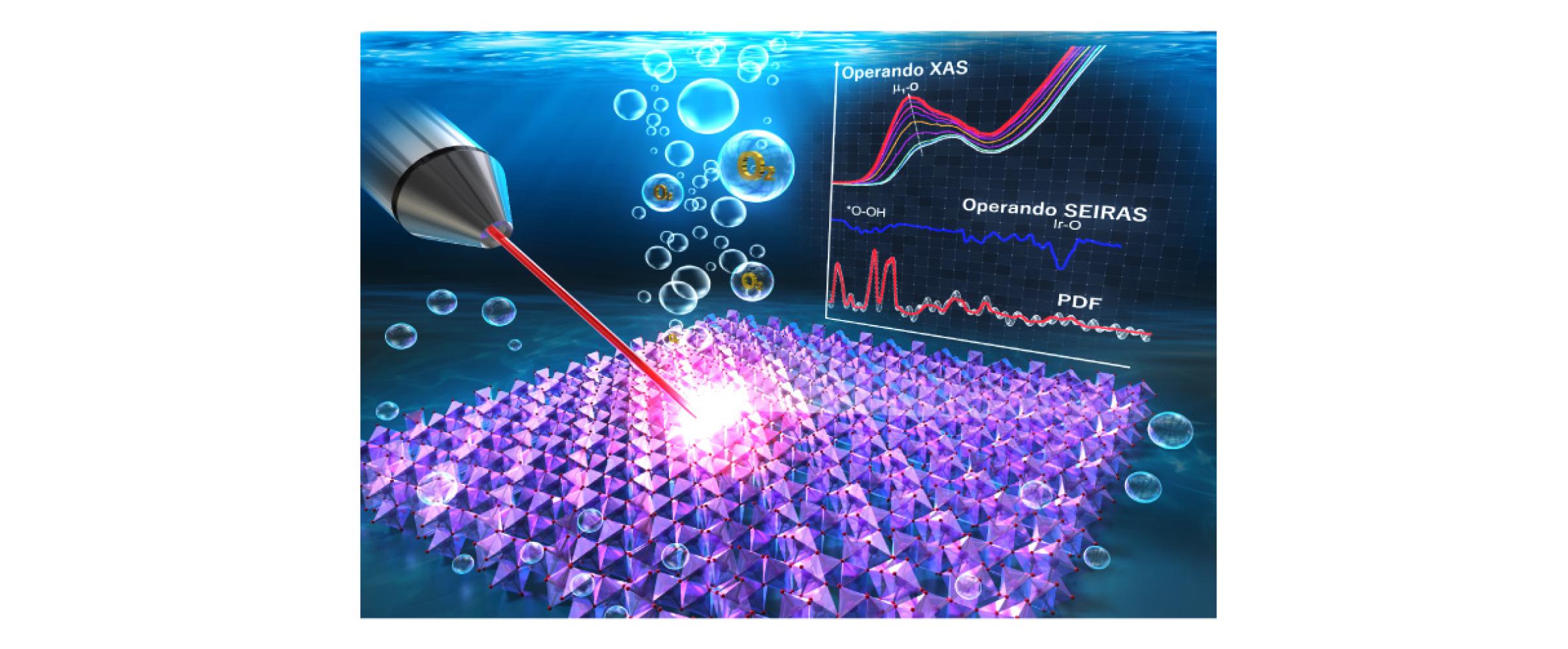
An electrode made with dry processing. (Image by Argonne National Laboratory.)
<関連情報>
- https://www.anl.gov/article/taking-battery-manufacturing-to-the-next-level
- https://www.nature.com/articles/s44359-024-00018-w
リチウムイオンバッテリー製造のための高度な電極加工技術 Advanced electrode processing for lithium-ion battery manufacturing
Runming Tao,Yu Gu,Zhijia Du,Xiang Lyu & Jianlin Li
Nature Reviews Clean Technology Published:03 February 2025
DOI:https://doi.org/10.1038/s44359-024-00018-w
Abstract
Lithium-ion batteries (LIBs) need to be manufactured at speed and scale for their use in electric vehicles and devices. However, LIB electrode manufacturing via conventional wet slurry processing is energy-intensive and costly, challenging the goal to achieve sustainable, affordable and facile manufacturing of high-performance LIBs. In this Review, we discuss advanced electrode processing routes (dry processing, radiation curing processing, advanced wet processing and 3D-printing processing) that could reduce energy usage and material waste. Maxwell-type dry processing is a scalable alternative to conventional processing and has relatively low manufacturing cost and energy consumption. Radiation curing processing could enable high-throughput manufacturing, but binder selection is limited to certain radiation curable chemistries. 3D-printing processing can produce electrodes with diverse architectures and improved rate performance, but scalability is yet to be demonstrated. 3D-printing processing is good for special applications where throughput and cost can be compromised for performance.
Key points
- Conventional lithium-ion battery electrode processing heavily relies on wet processing, which is time-consuming and energy-consuming.
- Compared with conventional routes, advanced electrode processing strategies can be more affordable and less energy-intensive and generate less waste.
- Electrode architectures can be tailored through advanced wet processing to improve charge and discharge rate performance, at the expense of increased manufacturing cost.
- Dry processing can simplify the electrode manufacturing process with lower manufacturing costs (~11.5%) and energy consumption (>46% lower).
- Radiation curing technologies can have the highest electrode manufacturing throughput, whereas 3D printing can fabricate electrodes with different geometries and structures.