2026-02-18 ロイヤルメルボルン工科大学(RMIT)
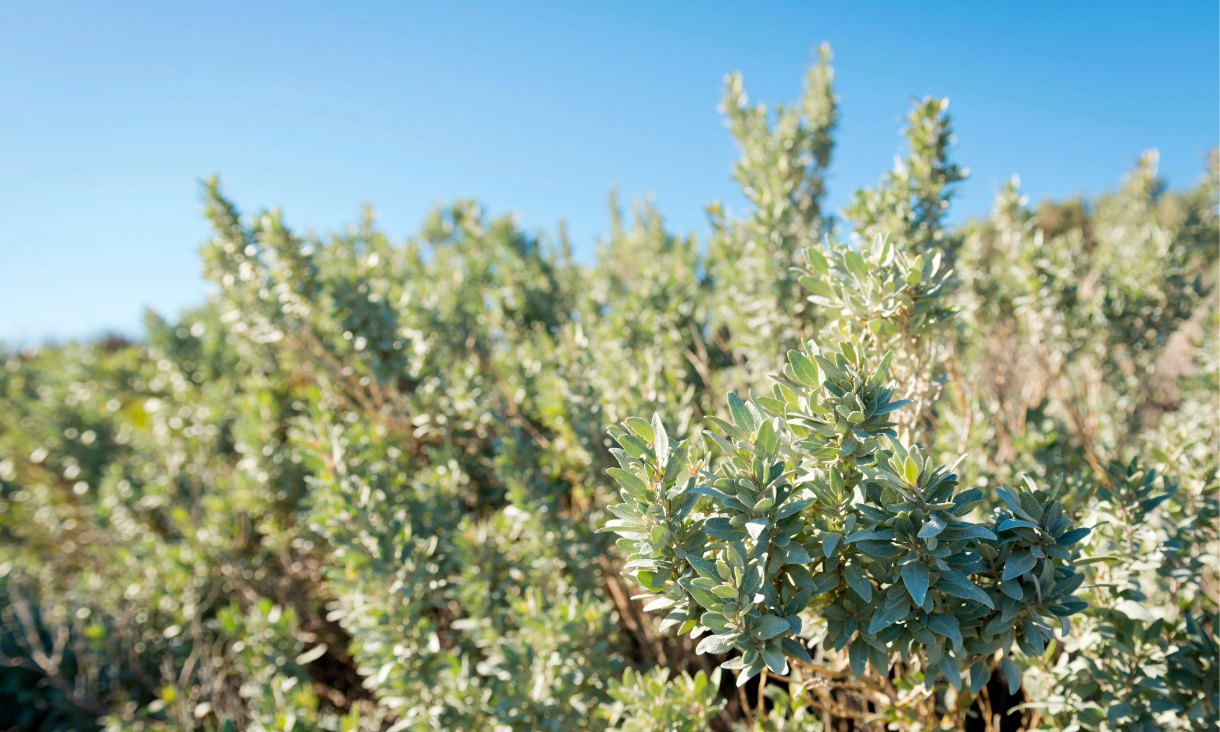
Saltbush (Atriplex nummularia) grows across arid and semi-arid regions of Australia.
<関連情報>
- https://www.rmit.edu.au/news/all-news/2026/feb/saltbush
- https://link.springer.com/article/10.1007/s11947-025-04094-z
持続可能な新規食品原料としてのソルトブッシュ( Atriplex nummularia )粉末の物理化学的特性の探究:小麦粉麺の品質への影響 Exploring the Physicochemical Properties of Saltbush (Atriplex nummularia) Powder as a Novel Sustainable Food Ingredient: Impact on Wheat Flour Noodle Quality
Samiddhi Gunathilake,Prabodha Dilshani,Supuni Aluthge,Asgar Farahnaky & Mahsa Majzoobi
Food and Bioprocess Technology Published:06 December 2025
DOI:https://doi.org/10.1007/s11947-025-04094-z
Abstract
Old Man Saltbush (Atriplex nummularia), a halophytic plant traditionally consumed by Indigenous Australians, remains underutilised in food manufacturing despite its rich nutritional profile. This study evaluated the incorporation of saltbush powder (SBP) into wheat flour noodles (0, 2.5, and 5%) with and without added sodium chloride (0 and 3%), assessing its potential as a functional ingredient and natural salt replacer. SBP was found to be high in plant-based protein (23.8%), dietary fibre (29.9%), minerals (Ca, Na, P, Zn), and bioactive compounds, including phenolics and antioxidants. It achieved an amino acid score of 96.2, notably improving lysine content in wheat-based products. SBP also exhibited high water and oil absorption capacities (287.4% and 151.8%, respectively), enhancing its functional role in noodle formulations. Incorporation of 5% SBP increased optimal cooking time by ~ 2 min and significantly improved cooking yield (up to 221.5%) while reducing cooking loss from 9.0% to as low as 3.9%, indicating better water retention and structural integrity. SBP-containing noodles developed a natural green hue, offering sensory appeal. Importantly, noodles with 5% SBP and no added salt contained ~ 140 mg sodium/100 g (moderate-sodium), compared to ~ 1320 mg/100 g with added salt. These results support the use of saltbush as a sustainable, nutrient-dense ingredient that enhances cooking performance, enables sodium reduction, and contributes to functional food innovation.