2026-01-30 フランス国立科学研究センター(CNRS)
<関連情報>
- https://www.cnrs.fr/en/press/fossilised-vomit-reveals-diet-dinosaur-predecessors
- https://www.nature.com/articles/s41598-025-33381-0
ペルム紀初期の陸生頂点捕食者レグルジタライトは、機会主義的な摂食行動を示唆している Early Permian terrestrial apex predator regurgitalite indicates opportunistic feeding behaviour
Arnaud Rebillard,Andréas Jannel,Lorenzo Marchetti,Mark J. MacDougall,Christopher Hamann,J.-Sébastien Steyer & Jörg Fröbisch
Scientific Reports Published:30 January 2026
DOI:https://doi.org/10.1038/s41598-025-33381-0
Abstract
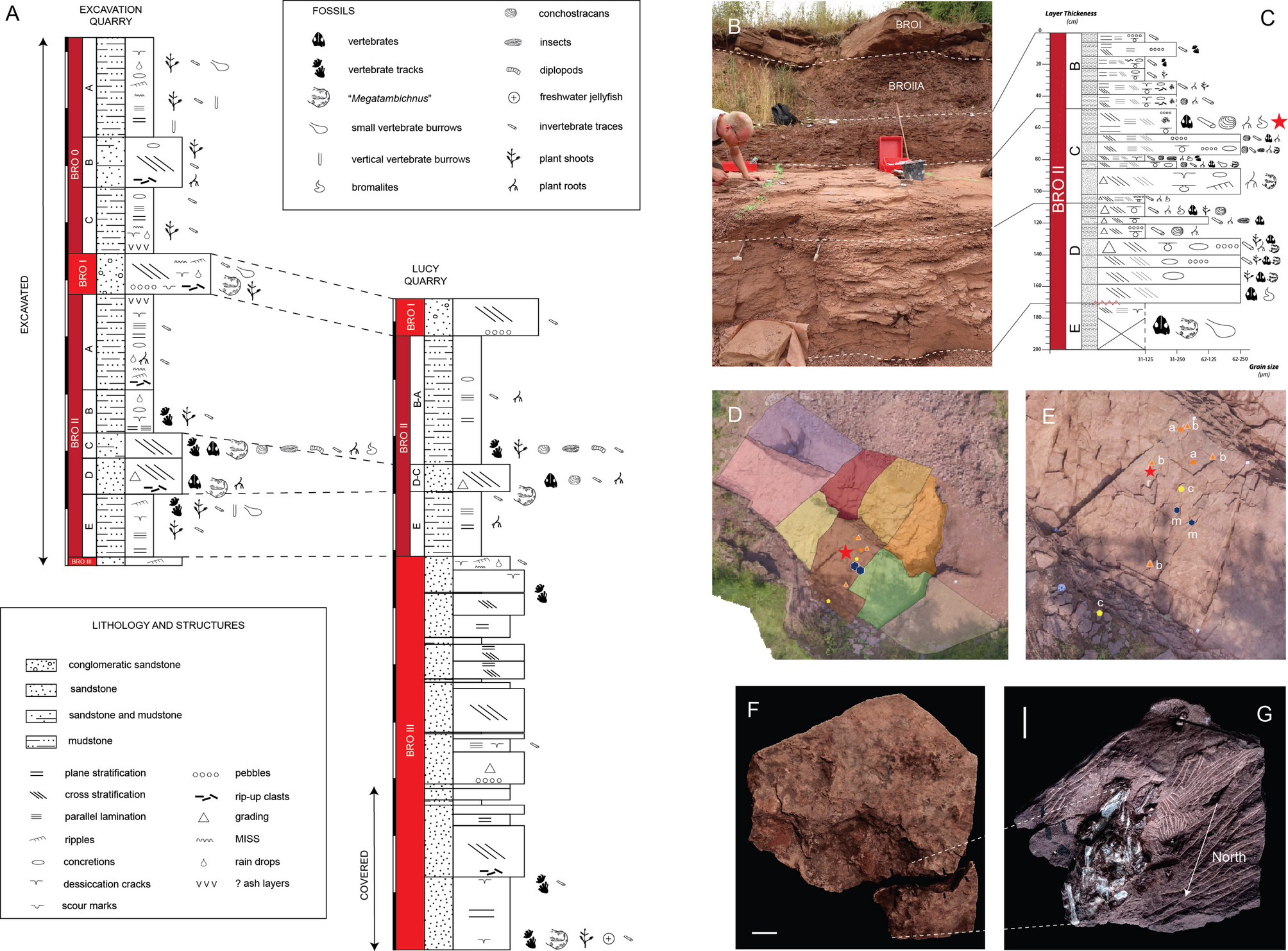
Fossilised digestive remains (bromalites) provide unique insights into extinct animals’ behavioural ecology, physiology and diet. We describe fossilised regurgitated stomach content from the early Permian Bromacker locality (Thuringia, Germany) using micro-CT, osteological, chemical and taphonomical analyses. The regurgitalite consists of a compact cluster of 41 bones with a unique taphonomic signature, including sub-articulated, aligned long bones, an irregular overall shape, and low phosphorus contents in the near-bone matrix. The multitaxic elements comprise a maxilla attributed to the captorhinomorph Thuringothyris mahlendorffae, postcranial elements of the bolosaurid Eudibamus cursoris and an unidentified diadectid, along with several unassignable elements, indicating opportunistic feeding behaviour. The regurgitalite size and composition suggest an apex predator as producer, such as the sphenacodontid Dimetrodon teutonis or the varanopid Tambacarnifex unguifalcatus, both known from Bromacker. This specimen represents the geologically oldest terrestrial regurgitalite and reveals novel insights into the feeding behaviours and the trophic network in a late Palaeozoic continental ecosystem.