2025-11-05 ジョージア工科大学
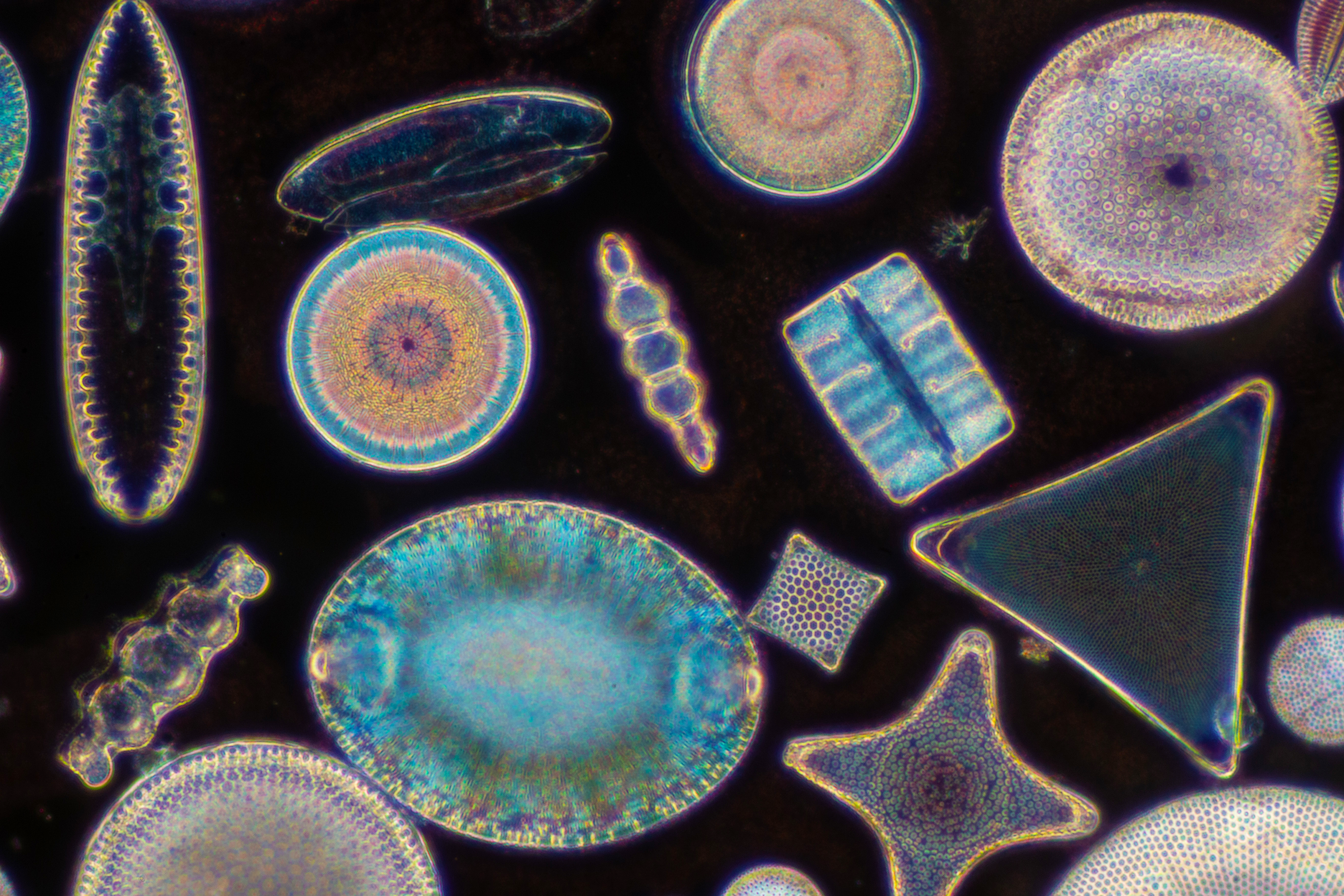
Diatoms, the beautiful baubles of the sea, boast form and function in ocean ecosystems. (Credit: Adobe Stock)
<関連情報>
- https://www.gatech.edu/news/2025/11/05/tiny-diatoms-big-climate-impact-how-microscopic-skeletons-rapidly-shape-ocean
- https://www.science.org/doi/10.1126/sciadv.adt3374
生物起源シリカから自生粘土への急速な変化:メカニズムと地球化学的制約 Rapid transformation of biogenic silica to authigenic clay: Mechanisms and geochemical constraints
Simin Zhao, Emily M. Saad, Rebecca A. Pickering, Pan Liu, […] , and Yuanzhi Tang
Science Advances Published:29 Oct 2025
DOI:https://doi.org/10.1126/sciadv.adt3374
Abstract
Authigenic clay formation during early diagenesis of marine sediments, termed “reverse weathering,” is an important process for regulating ocean pH, seawater chemistry, and atmospheric CO2 over geologic time scales. Although the importance of reverse weathering has been increasingly recognized, the rates and mechanisms remain poorly constrained. This study investigated the mechanisms, kinetics, and mineral products derived from diatom biogenic silica. We show the formation of Fe(II)-bearing smectite and mica in 40 days, the most rapid process and first specific mineral phases reported to date. Unraveling the kinetics and mechanisms of authigenic clay formation suggests that reverse weathering is far more dynamic and responsive to changes in ocean chemistry than previously envisioned, with a potential to impact marine alkalinity cycling on a shorter timescale.