2026-04-06 ペンシルベニア州立大学(Penn State)
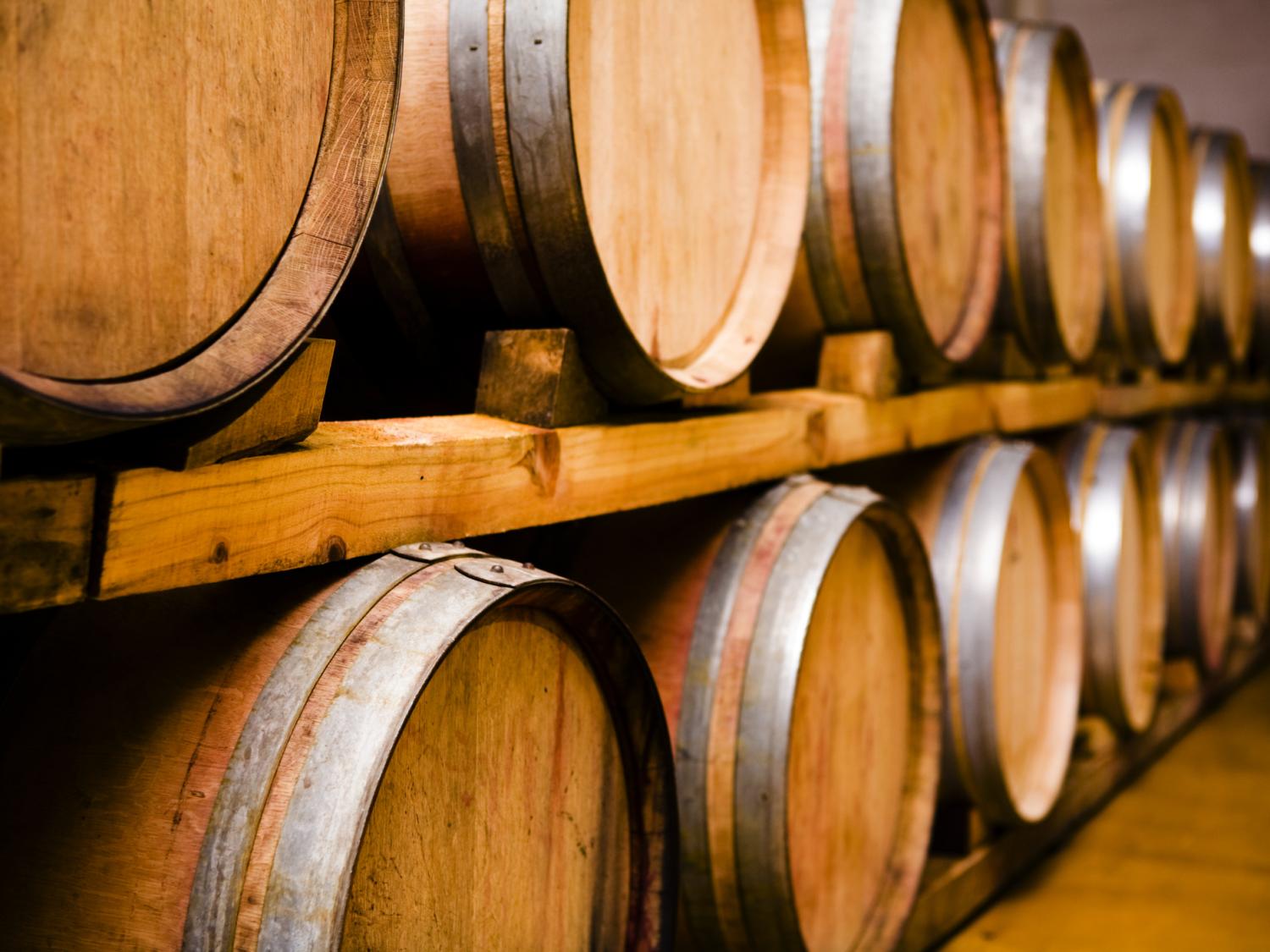
In this study, the researchers were able to identify tannins from the grapes and tannins from oak. These tannins unite in billions of combinations, they reported, so they used machine learning — a kind of artificial intelligence — to detect the complex fingerprints of what is flavoring the wine. Credit: RapidEye/Getty Images. All Rights Reserved.
<関連情報>
- https://www.psu.edu/news/research/story/tannins-oak-barrels-flavor-wine-are-fingerprinted-researchers
- https://www.sciencedirect.com/science/article/abs/pii/S0308814626003286
QTOFおよびQQQプラットフォームを用いたインソースフラグメンテーションによるワインおよびオーク材中の加水分解性タンニンのハイスループットフィンガープリンティング High-throughput fingerprinting of hydrolysable tannins in wine and oak wood using in-source fragmentation on QTOF and QQQ platforms
Yanxin Lin, Bruce S. Pan, Robert (Qiang) Sui, Ping Yu, Misha T. Kwasniewski
Food Chemistry Available online: 25 January 2026
DOI:https://doi.org/10.1016/j.foodchem.2026.148170
Highlights
- Rapid LC–MS/MS method developed for hydrolysable tannins in wine and oak.
- In-source fragmentation enables fast non-destructive tannin profile.
- Method validated on QTOF and QQQ with strong cross-platform correlation.
- Integration with condensed tannin fingerprinting improved wine differentiation.
- Approach supports broader application to other tannin-rich foods.
Abstract
Hydrolysable tannins, including ellagitannins and gallotannins, influence a wine’s sensory and antioxidant properties, particularly through oak aging. However, their quantification is hindered by structural diversity, low concentrations, and interference from other phenolics. This study introduces hydrolysable tannin fragmentation fingerprinting (H-TFF), a novel and rapid liquid chromatography–mass spectrometry method that leverages in-source fragmentation to quantify and tentatively identify hydrolysable tannins in wine and oak wood. Developed and validated on quadrupole time-of-flight and triple quadrupole platforms, native-state quantification is achieved without acid hydrolysis. Ellagitannin concentrations strongly correlated with those obtained by acid hydrolysis (r > 0.92), and gallotannin analysis achieved adequate cross-platform agreement despite interference from galloylated condensed tannins. By preserving chromatographic resolution, H-TFF enables distributional insights for tentative identification, and when integrated with condensed tannin fingerprinting, it enhances wine differentiation based on the oak treatment and tannin composition. Overall, H-TFF provides efficient, information-rich tannin analysis within 6 min.