2026-02-25 中国科学院(CAS)
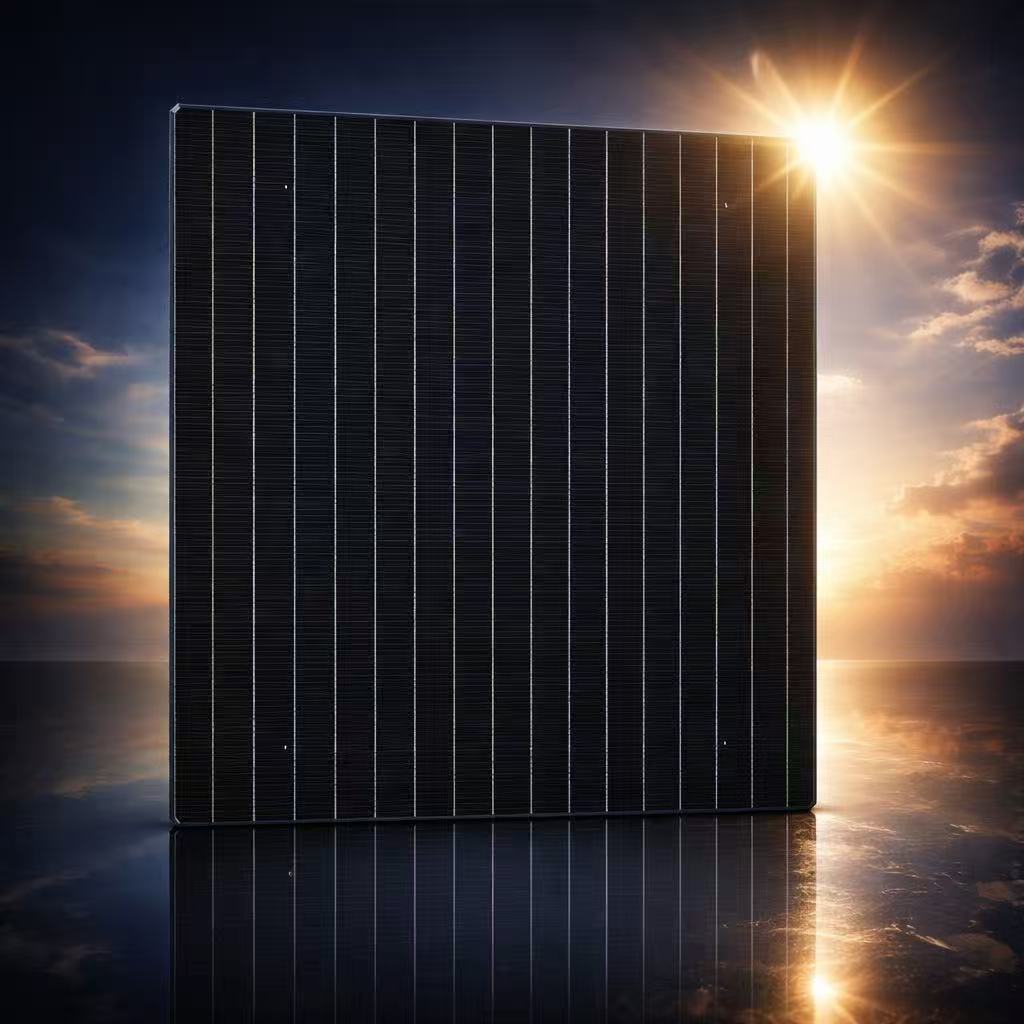
Industrial TOPCon solar cells achieved a record-high efficiency. (Image by NIMTE)
<関連情報>
- https://english.cas.cn/newsroom/research-news/202602/t20260225_1151136.shtml
- https://www.nature.com/articles/s41560-026-01982-2
両面電気改良により、効率的な産業用トンネル酸化物パッシベーションコンタクトシリコン太陽電池が実現 Dual-side electrical refinement enables efficient industrial tunnel oxide passivating contact silicon solar cells
Zhenhai Yang,Sheshicheng Chen,Jie Mao,Kun Cao,Zunke Liu,Haojiang Du,Zhao Wang,Yuanfang Zhang,Jinjin Chen,Jiajia Zhu,Menglei Xu,Wenqi Li,Hao Jin,Xinyu Zhang,Huiwei Du,Jie Yang,Peiting Zheng,Yuheng Zeng & Jichun Ye
Nature Energy Published:24 February 2026
DOI:https://doi.org/10.1038/s41560-026-01982-2
Abstract
Crystalline silicon solar cells continue to dominate the photovoltaic industry, with tunnel oxide passivating contact (TOPCon) technology emerging as a prominent candidate. However, the efficiency of industrial-scale TOPCon solar cells remains limited by their suboptimal electrical performance, falling short of the Auger limit. Here we propose a dual-sided synergistic strategy that achieves a certified efficiency of 26.66% for industrial-scale TOPCon cells on M10-size wafers. The implementation of a front-side high-sheet-resistance boron emitter improves the passivation quality, and an optimized grid design reduces carrier transport losses. A rear-side double-layer tunnel oxide silicon/polysilicon structure suppresses silver-induced degradation by preventing silver diffusion from the electrodes into the silicon substrate, thereby maintaining excellent interfacial passivation. Moreover, the high crystallinity of the inner polysilicon layer, along with a lower concentration of inactive phosphorus dopants in the silicon substrate, leads to superior passivation performance. Rear-side localized thinning of the polysilicon layer also improves the bifaciality to 88.3%.