2025-11-21 バッファロー大学

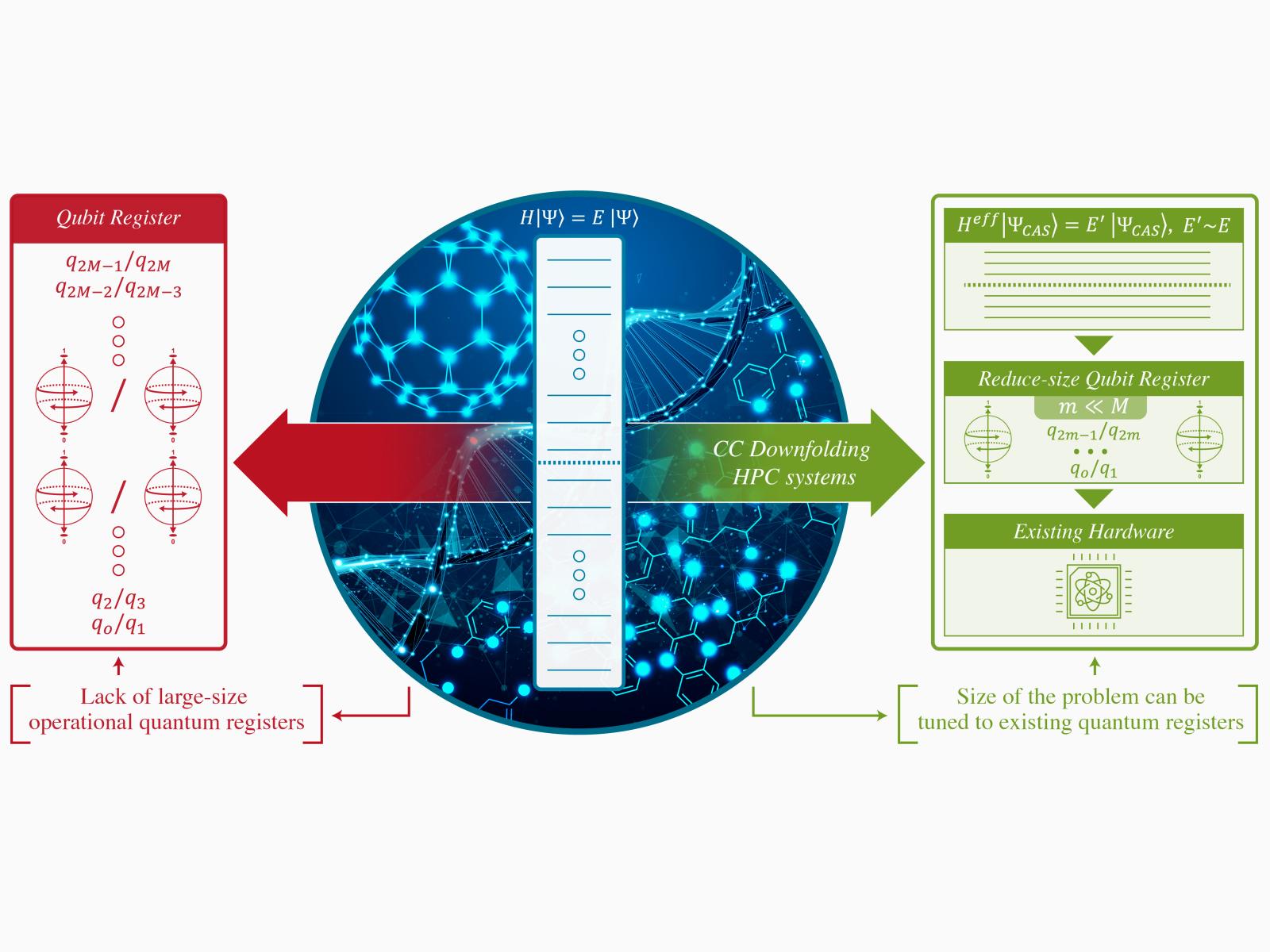
The illustrations above show crosslinked polyamines (left), hydrogen passing through the crosslinked polyamines (upper right), and hydrogen passing through the crosslinked polyamines much faster than carbon dioxide (lower right). Credit: University at Buffalo.
<関連情報>
- https://www.buffalo.edu/news/releases/2025/11/membrane-record-separating-hydrogen-from-CO2.html
- https://www.science.org/doi/10.1126/sciadv.adz2830
CO2親和性だが遮断性の膜を設計する際のサバティエ原理 Sabatier principle in designing CO2-philic but blocking membranes
Leiqing Hu, Asha Jyothi Gottipalli, Gengyi Zhang, Kieran Fung, […] , and Haiqing Lin
Science Advances Published:21 Nov 2025
DOI:https://doi.org/10.1126/sciadv.adz2830
Abstract
Gas transport through polymers follows the sorption-diffusion mechanism, and gas-philic functional groups are often incorporated into polymers to enhance its solubility selectivity and thus separation efficiency. In contrast, we report that polymers exhibiting strong chemisorption toward specific gas molecules can counterintuitively impede their diffusion, illustrated by experimental and simulation studies of CO2 transport in cross-linked polyamines, paralleling the Sabatier principle observed in catalysis. The CO2-philic polyamine membrane attains an unprecedented H2/CO2 selectivity of 1800, making it highly desirable for H2 purification. The cross-linked polyamines exhibit excellent self-healing properties and processability for fabricating thin-film composite membranes, indicating great promise for industrial separations. Retarded transport by introducing strongly binding groups presents a promising route for designing membranes for various separations.