2025-08-11 パシフィック・ノースウェスト国立研究所(PNNL)
<関連情報>
- https://www.pnnl.gov/publications/graphene-oxide-sheet-size-controls-rare-earth-element-separations
- https://www.sciencedirect.com/science/article/abs/pii/S0008622325002969
グラフェン酸化物シートのサイズは、ラミネート膜のイオン吸着と透過挙動に影響を与える Graphene oxide sheet size influences the ion adsorption and permeation behavior of laminate membranes
Shuai Tan, Samantha Reid, Manh Thuong Nguyen, Elaf A. Anber, Daniel Foley, Richard Shiery, Vaithiyalingam Shutthanandan, Mark E. Bowden, Mitra Taheri, Heriberto Hernandez, Venkateshkumar Prabhakaran, Grant E. Johnson
Carbon Available online: 2 April 2025
DOI:https://doi.org/10.1016/j.carbon.2025.120280
Graphical abstract
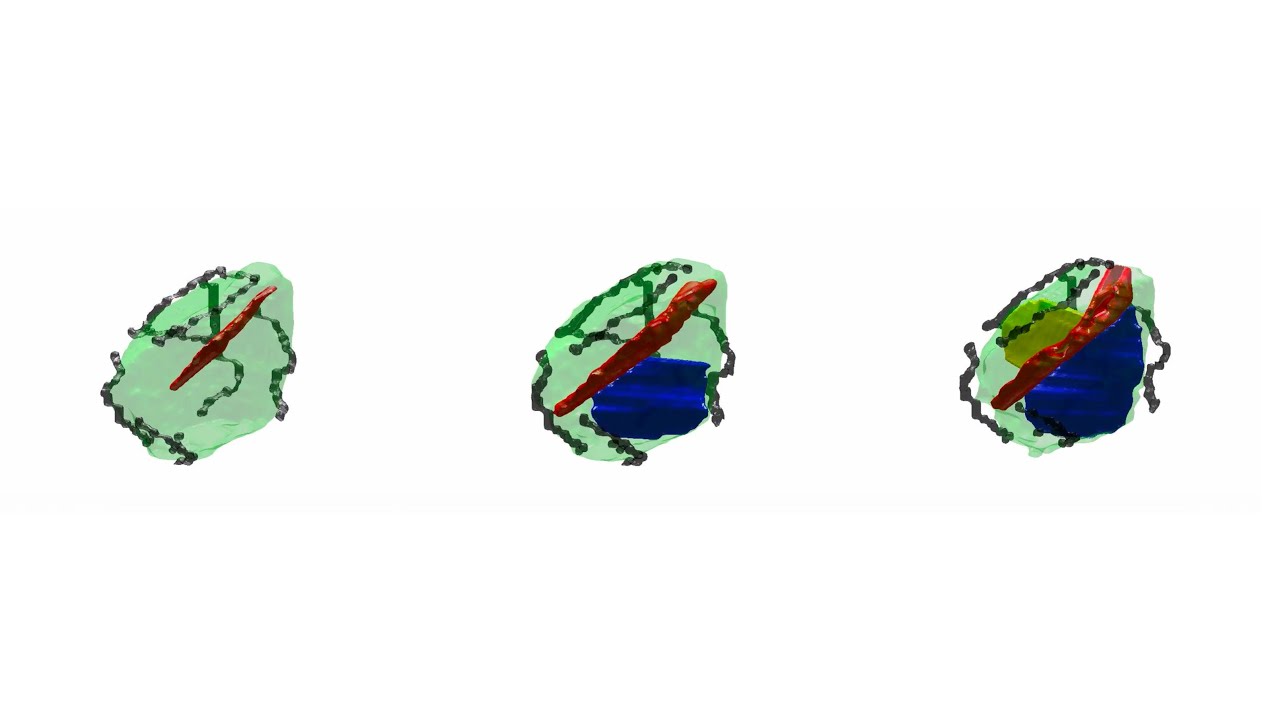
Ion diffusion channels, including vertical and horizontal channels, through the laminar structure of GO.

Abstract
We utilized size fractionation along with ion adsorption and permeation measurements, microscopy and spectroscopy characterization, and theoretical calculations to understand the role of graphene oxide (GO) sheet size and functionality in metal ion separations, focusing on europium cations (Eu3+) as a model system. Our findings reveal that even though different-sized GO sheets exhibit subtle differences in their chemical and physical properties, adsorbents and membranes assembled from GO flakes of various sizes display size-dependent ion adsorption capacities and permeation rates. Specifically, GO adsorbents and membranes comprised of smaller ∼0.6 and 0.8 μm diameter GO sheets exhibit higher Eu3+ adsorption capacities and lower permeation rates compared to those assembled from larger ∼1.0 μm GO sheets. Detailed experimental analysis and theoretical simulations suggest that this phenomenon may be attributed to three competing factors: 1) a shift of the primary Eu3+ diffusion pathway from the horizontal interlayer transport channels between larger vertically stacked GO sheets to the more numerous vertical pores between smaller adjacent GO sheets in nearby planes, 2) Coulombic effects induced by strong electrostatic interactions between carboxylate groups (–COO–) located at the edges of smaller GO sheets and Eu3+ cations, and 3) the different binding energies between specific oxygen functional groups on GO and Eu3+. Understanding the role of the dimensions and chemical functionality of GO sheets in determining selective ion adsorption and transport provides useful insight to guide the rational design of improved adsorbents and membranes, opening up new opportunities for the separation of critical materials, including rare-earth elements.