
2025-12-08 イェール大学
<関連情報>
- https://news.yale.edu/2025/12/08/second-thoughts-secondhand-why-resale-market-expanding-fashions-carbon-footprint
- https://www.nature.com/articles/s41598-025-19089-1
古着ファッションの消費者は、持続可能性を訴えるにもかかわらず、ファストファッションの行動を示す Secondhand fashion consumers exhibit fast fashion behaviors despite sustainability narratives
Meital Peleg Mizrachi & Ori Sharon
Scientific Reports Published:07 October 2025
DOI:https://doi.org/10.1038/s41598-025-19089-1
Abstract
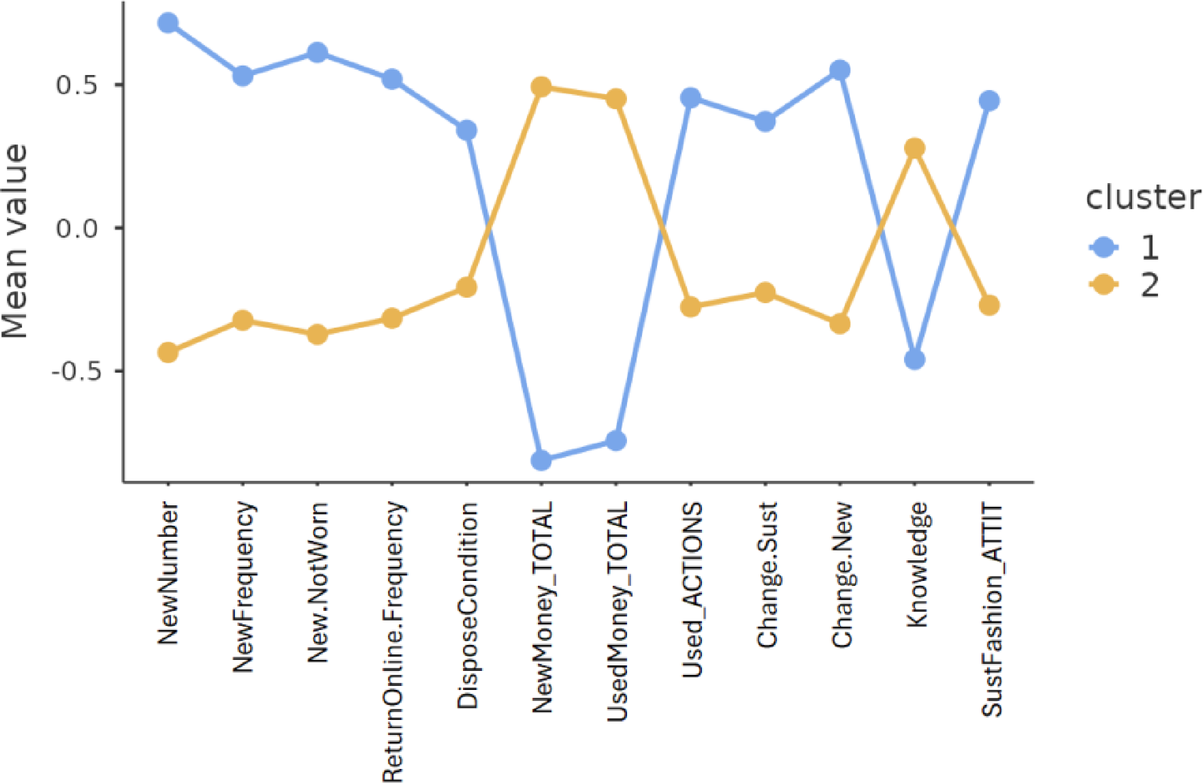
The fashion industry contributes 2–8% of global greenhouse gas emissions, driven by rising clothing consumption and the proliferation of fast fashion. Fast fashion accelerates environmental harm through rapid production cycles, low costs, and short garment lifespans. Secondhand clothing markets are often promoted as a sustainable alternative, promising extended use and reduced waste. These markets have grown rapidly, with global sales reaching $177 billion in 2022 and projected to double by 2027. Despite this growth, few studies have empirically examined whether secondhand purchasing displaces or merely supplements primary market consumption. This study addresses that gap using a nationally representative survey of 1,009 U.S. consumers. We find that secondhand consumption is positively correlated with new clothing purchases (r = 0.58, p < 0.01), particularly among younger consumers and frequent shoppers. Cluster and principal component analyses reveal that highly engaged secondhand consumers also exhibit high overall consumption and short garment retention. Although many report high sustainability knowledge, such knowledge does not reliably predict sustainable behavior. Drawing on rebound and moral licensing theories, we suggest that secondhand purchases may psychologically or economically justify continued overconsumption. These findings challenge assumptions about resale’s environmental benefits and support policy interventions to realign resale practices with sustainability goals.


